
Quick Facts About Vegetable Wholesale Markets in India
- India’s population is around 1.47 billion, which means fresh vegetables are among the most frequently traded food products in the country.
- India produces more than 2,100 lakh tonnes of vegetables annually, making it one of the largest vegetable-producing countries in the world.
- India has thousands of regulated mandis, including principal APMC markets and sub-market yards, where agricultural products are traded in bulk.
- More than 1,500 mandis are connected with e-NAM, helping buyers and traders access mandi-related information digitally.
- Some of the biggest vegetable wholesale market hubs in India include Azadpur Mandi Delhi, Vashi APMC Navi Mumbai, Koyambedu Chennai, KR Market Bengaluru, Bowenpally Hyderabad, Gultekdi Market Yard Pune, Lasalgaon Onion Market and Sealdah Koley Market Kolkata.
- A large mandi can receive hundreds of trucks of vegetables, fruits, onions and potatoes in a single day, especially during peak supply seasons.
- The vegetable wholesale trade supports farmers, commission agents, wholesalers, retailers, restaurant owners, transporters, loaders, cold-chain operators, street vendors and small distributors.
Introduction: Why Vegetable Wholesale Markets Are Still Important
If you run a vegetable shop, kirana store, restaurant, canteen, hotel, catering service, cloud kitchen, juice counter or local distribution business, your buying price directly affects your profit.
Vegetables are fast-moving products. They are also highly price-sensitive. A difference of ₹2, ₹5 or ₹10 per kg can make a big difference when you are buying tomatoes, onions, potatoes, cabbage, beans, capsicum, green chilli or coriander in bulk.
That is why a vegetable wholesale market is still one of the most important sourcing points for small and medium businesses in India.
These markets are not only for big traders. Retailers, street vendors, restaurant owners and even housing society suppliers regularly visit wholesale sabzi mandis to buy fresh produce at better rates.
A good vegetable wholesale market helps you in three ways.
First, you get access to wholesale rates.
Second, you can compare quality from different suppliers.
Third, you can build direct relationships with traders who understand your regular requirements.
But not every mandi is the same. Some markets are famous for onion and potato. Some are better for leafy vegetables. Some are ideal for South Indian vegetables like drumstick, brinjal, gourds and curry leaves. Some are large all-India trading hubs where produce comes from many states.
This guide will help you understand the major vegetable wholesale market options in India, what each market is known for, what you can buy, what to expect, and how to bargain like a serious wholesale buyer.
How a Vegetable Wholesale Market Works in India
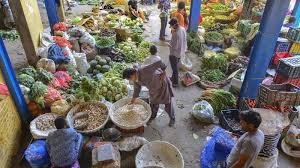
Most large sabzi mandis in India work through the APMC or mandi system. Farmers, transporters and aggregators bring produce to the market. Wholesalers and commission agents then sell it to retailers, vendors, hotels, restaurants, small distributors and institutional buyers.
The rate of vegetables changes every day. In fact, it can change within a few hours.
Prices usually depend on:
- Daily arrivals
- Weather conditions
- Crop damage
- Transport cost
- Festival or wedding demand
- Quality and grading
- Local supply versus outstation supply
- Shelf life of the vegetable
- Storage availability
For example, tomato prices may fall sharply when arrivals are high. But they can rise quickly after heavy rain damages the crop. Onion and potato prices depend on storage, harvest cycles and arrivals from major producing belts.
This is why visiting a vegetable wholesale market is different from buying from a supermarket. A mandi is a live trading space. Rates move fast, and the buyer who understands timing, quality and quantity usually gets the best deal.
Category 1: Mixed Vegetable Wholesale Markets for Daily Supply
These markets are useful for retailers, hotels, restaurants, tiffin centres, canteens and small vendors who need a regular mix of vegetables.
1. Azadpur Mandi, Delhi
Best for: North India vegetable sourcing, onion, potato, tomato, seasonal vegetables and fruits
Google Map Link: https://www.google.com/maps/search/?api=1&query=Azadpur+Mandi+Delhi
Azadpur Mandi is one of the biggest fruit and vegetable wholesale market hubs in India. It supplies Delhi, Gurugram, Noida, Ghaziabad, Faridabad and several parts of North India.
If you are a retailer or trader in Delhi NCR, Azadpur is one market you cannot ignore.
Unique Characteristics of Azadpur Mandi
The biggest strength of Azadpur Mandi is its scale. Vegetables and fruits arrive here from Haryana, Punjab, Himachal Pradesh, Uttar Pradesh, Rajasthan, Maharashtra, Jammu & Kashmir and many other regions.
It is also a major price discovery market. Rates from Azadpur often influence smaller mandis and retail vegetable rates in North India.
Products to Buy
- Onion and potato
- Tomato
- Garlic and ginger
- Green chilli
- Cabbage and cauliflower
- Carrot, radish and beetroot
- Bottle gourd, bitter gourd and pumpkin
- Seasonal fruits and vegetables
What Visitors Can Expect
Azadpur is crowded, noisy and fast-moving. You will see trucks, carts, loaders, agents, wholesalers and retailers working at high speed.
This is not a casual shopping market. It is a serious wholesale trading centre. Wear comfortable footwear, carry cash, keep your phone charged and avoid taking a private car deep inside the mandi if you are not familiar with the area.
Bargaining Tips
Do not ask for one kg or two kg rates. Ask for crate, sack, peti or quintal rates. Compare rates with at least three traders before buying.
If you are new, start with small bulk quantities. Test quality for a few days before making one supplier your regular source.
Days Open and Timings
Azadpur remains active for long hours, but the best time for vegetable wholesale buying is early morning. Bulk buyers should ideally visit between 4 AM and 9 AM. Timings may change during holidays, strikes or special market notices.
2. Vashi APMC Market, Navi Mumbai
Best for: Mumbai, Navi Mumbai, Thane, restaurants, hotels and vegetable retailers
Google Map Link: https://www.google.com/maps/search/?api=1&query=Vashi+APMC+Vegetable+Market+Navi+Mumbai
Vashi APMC is the main wholesale market for Mumbai’s fresh produce supply. It is a very important vegetable wholesale market for retailers, hotel suppliers, caterers, cloud kitchens and food businesses.
Unique Characteristics of Vashi APMC
Vashi APMC is more structured than many older mandis. It has separate sections for vegetables, fruits, onion-potato, spices and other commodities.
This makes it convenient for buyers who want to source multiple products in one visit.
Products to Buy
- Tomato, cabbage and cauliflower
- Capsicum, carrot and beans
- Onion and potato
- Leafy vegetables
- Green peas
- Seasonal vegetables from Maharashtra and nearby states
- Fruits for juice shops, restaurants and retailers
What Visitors Can Expect
Expect professional wholesalers, large trucks, loading activity and fast trading. Many buyers arrive with tempos or small commercial vehicles.
During monsoon, the market can become crowded and wet, so plan footwear, packing and transport carefully.
Bargaining Tips
Always ask whether the quoted rate is for top-grade, medium-grade or mixed-quality stock. Restaurants and caterers can often save money by buying medium-grade vegetables where appearance is not the main concern.
Days Open and Timings
The vegetable section generally works from 2 PM to 12 AM, while the onion-potato market usually operates around 8 AM to 6 PM. Timings can vary by section, so repeat buyers should coordinate directly with traders.
3. Koyambedu Wholesale Market, Chennai
Best for: Chennai vegetable retailers, hotels, caterers, fruit buyers and flower suppliers
Google Map Link: https://www.google.com/maps/search/?api=1&query=Koyambedu+Wholesale+Market+Complex+Chennai
Koyambedu Wholesale Market Complex is one of the largest perishable goods markets in India. It is a major hub for vegetables, fruits and flowers.
For Chennai’s daily fresh produce trade, Koyambedu is the central sourcing point.
Unique Characteristics of Koyambedu Market
Koyambedu is huge and well-known across South India. Produce comes from Tamil Nadu, Andhra Pradesh, Karnataka, Maharashtra, Madhya Pradesh and Uttar Pradesh depending on the season and product.
The market is useful for buyers who need vegetables, fruits and flowers from the same location.
Products to Buy
- Tomato and onion
- Potato and garlic
- Brinjal and drumstick
- Gourds and beans
- Green peas during winter
- Capsicum, carrot, beetroot and cauliflower
- Banana leaf, flowers and fruits for events
What Visitors Can Expect
The market is active very early, and bulk trading often starts from midnight or early morning. Retailers, pushcart vendors, restaurants and semi-wholesale buyers all source from here.
It is busy, crowded and price-sensitive, so first-time buyers should visit once only to observe before making large purchases.
Bargaining Tips
Inspect crates properly. Tomatoes, brinjal and leafy vegetables may look fresh on top but can have damaged stock below. Check the lower layers before agreeing to a rate.
Days Open and Timings
Koyambedu remains active for extended hours. For bulk vegetable buying, the best time is usually between 1 AM and 6 AM. Semi-wholesale buyers can also visit later in the morning.
4. KR Market and Yeshwanthpur APMC, Bengaluru
Best for: Bengaluru retailers, restaurants, flowers, fruits, onion-potato and mixed vegetables
Google Map Link KR Market: https://www.google.com/maps/search/?api=1&query=KR+Market+Bengaluru
Google Map Link Yeshwanthpur APMC: https://www.google.com/maps/search/?api=1&query=Yeshwanthpur+APMC+Market+Bengaluru
Bengaluru has two important sourcing points for fresh produce. KR Market is older, central and famous for flowers, fruits and vegetables. Yeshwanthpur APMC is more suitable for larger wholesale trading.
Unique Characteristics
KR Market is excellent for mixed vegetables, flowers, banana leaves and smaller bulk quantities. Yeshwanthpur APMC is better for traders buying in bigger lots, especially onion, potato and agricultural produce.
Products to Buy
- Onion and potato
- Tomato from Karnataka belts
- Beans, carrot, capsicum and cabbage
- Brinjal, cucumber and gourds
- Flowers and banana leaves
- Fruits and daily-use vegetables
What Visitors Can Expect
KR Market is colourful, crowded and chaotic. It is ideal for buyers who can compare quickly and make fast decisions.
Yeshwanthpur is more wholesale-oriented and better for buyers who already understand the mandi system.
Bargaining Tips
At KR Market, go early and compare quickly. At Yeshwanthpur APMC, ask about lot size, loading charges and transport before finalising the rate.
For restaurants, quality consistency is more important than only chasing the lowest price.
Days Open and Timings
KR Market is best visited between 4 AM and 8 AM. Yeshwanthpur APMC also starts early, though activity continues through the day depending on arrivals.
Category 2: Onion, Potato, Garlic and Storage Vegetable Markets
Onion and potato are different from leafy vegetables. They can be stored, transported and traded in much larger quantities. For distributors and retailers, onion-potato markets are a separate category.
5. Lasalgaon Onion Market, Nashik
Best for: Onion traders, distributors, bulk buyers and mandi rate tracking
Google Map Link: https://www.google.com/maps/search/?api=1&query=Lasalgaon+Onion+Market+Nashik
Lasalgaon is India’s most famous onion market. Even if you do not buy directly from Lasalgaon, onion traders across India often follow its rates.
Unique Characteristics
Lasalgaon is a specialised onion mandi. It is not a mixed vegetable market like Azadpur or Koyambedu. Nashik is one of India’s most important onion-producing regions, and Lasalgaon plays a big role in onion price discovery.
Products to Buy
- Red onion
- Summer onion
- Late kharif onion
- Bulk onion lots
- Storage onions
What Visitors Can Expect
Expect auction-style trading, large onion lots, truck arrivals and commission-agent-led transactions. This market is best suited for experienced traders and bulk distributors.
Bargaining Tips
Understand the difference between fresh onion and storage onion. Fresh onion may be cheaper but may not last long. Storage onion may cost more but can be better for distributors and retailers who need shelf life.
Days Open and Timings
Trading depends on auction schedules, local APMC notices and holidays. Buyers should confirm with local agents before travelling. Morning visits are usually better for arrivals and auctions.
6. Vashi Onion Potato Market, Navi Mumbai
Best for: Mumbai onion-potato retailers, restaurants and small distributors
Google Map Link: https://www.google.com/maps/search/?api=1&query=Vashi+APMC+Onion+Potato+Market
For Mumbai and Navi Mumbai buyers, Vashi onion-potato market is more practical than buying directly from producing regions.
Unique Characteristics
This section is focused on bulk storage vegetables. Goods move in sacks, and the market is built around regular trader relationships, weighing, loading and transport.
Products to Buy
- Onion
- Potato
- Garlic
- Ginger
- Bulk sacks for shops and restaurants
What Visitors Can Expect
Expect sacks, loading workers, tempos, weighing scales and transport activity. This is a trader-heavy market, so new buyers should observe quality and packing carefully.
Bargaining Tips
Check sack weight and moisture. Wet potatoes or damaged onions can lead to losses after purchase. Ask whether loading charges are included or separate.
Days Open and Timings
The onion-potato section generally operates around 8 AM to 6 PM. Confirm timings before visiting on Sundays and holidays.
Category 3: South Indian Vegetables and Restaurant Supply Markets
Restaurants, canteens, tiffin centres and caterers often need vegetables like drumstick, brinjal, bhindi, gourds, beans, curry leaves, green chilli and leafy vegetables. These markets are useful for such regular buying.
7. Bowenpally Vegetable Market, Hyderabad
Best for: Hyderabad retailers, hotels, tiffin centres and local vegetable distributors
Google Map Link: https://www.google.com/maps/search/?api=1&query=Bowenpally+Vegetable+Market+Hyderabad
Bowenpally Vegetable Market is one of the important wholesale vegetable markets in Telangana. It serves Hyderabad’s daily vegetable trade and is useful for both wholesale and semi-wholesale buyers.
Unique Characteristics
Bowenpally is also known for its waste-to-energy initiative, where vegetable market waste has been used to generate energy and biofuel. This makes it one of the more interesting mandis from a sustainability angle.
Products to Buy
- Brinjal, bhindi and gourds
- Tomato and green chilli
- Drumstick and cucumber
- Carrot and beetroot
- Leafy vegetables
- Seasonal local vegetables
What Visitors Can Expect
Expect a busy mandi with farmers, wholesalers, retailers and restaurant buyers. It is a practical market for daily sourcing because many common vegetables are available in one place.
Bargaining Tips
For restaurant buying, build relationships with one or two regular vendors. Ask for daily supply rates instead of bargaining hard for only one day. A good vendor can help you during shortage periods.
Days Open and Timings
The market is active daily. Bulk and semi-wholesale buyers should visit between 5 AM and 10 AM for better selection.
8. Gultekdi Market Yard, Pune
Best for: Pune retailers, restaurants, caterers, fruit-vegetable shops and onion-potato buyers
Google Map Link: https://www.google.com/maps/search/?api=1&query=Gultekdi+Market+Yard+Pune
Gultekdi Market Yard is Pune’s major wholesale market for vegetables, fruits, flowers and agricultural produce.
Unique Characteristics
The market is divided into sections, which makes sourcing easier. Pune’s location helps the market receive vegetables from Maharashtra’s farming belts and nearby states.
Products to Buy
- Onion and potato
- Tomato, cabbage and cauliflower
- Banana and fruits
- Gourds, beans and leafy vegetables
- Seasonal vegetables
- Flowers for events and retail sellers
What Visitors Can Expect
You will see trucks, tempos, agents, traders, loaders and retailers buying in bulk. The market can be busy, but it is easier to navigate if you know the section you want.
Bargaining Tips
Ask for crate, sack or lot rates. If you are buying regularly for a shop or restaurant, ask whether delivery to your area is possible for repeat orders.
Days Open and Timings
The fruits and vegetables section generally operates around 5 AM to 9 PM, with Saturday as a weekly holiday for that department. Onion-potato timings may differ.
Category 4: Eastern India Fresh Produce Wholesale Markets
Eastern India has many active sabzi mandis where vegetables move through local farm networks, rail routes and road transport.
9. Sealdah Koley Market, Kolkata
Best for: Kolkata retailers, street vendors, hotels and mixed vegetable buyers
Google Map Link: https://www.google.com/maps/search/?api=1&query=Sealdah+Koley+Market+Kolkata
Sealdah Koley Market is one of Kolkata’s well-known wholesale vegetable markets. Its location near Sealdah makes it important for movement of goods by local trains and road transport.
Unique Characteristics
Koley Market has strong local supply and long trading hours. It is useful for vendors who buy early and sell throughout the day in neighbourhood markets.
Products to Buy
- Potato and onion
- Cauliflower and cabbage
- Parwal and ridge gourd
- Bhindi and brinjal
- Leafy vegetables
- Seasonal Bengal vegetables
What Visitors Can Expect
Expect an old-style mandi environment. It is crowded, noisy and very active early in the morning. It may not look organised, but it is very useful for price-sensitive buyers.
Bargaining Tips
Buy leafy vegetables early. For heavier vegetables like potato, cabbage and pumpkin, compare rates by weight and wastage, not only by size.
Days Open and Timings
For wholesale buying, visit between 3 AM and 8 AM. Some market activity continues later, but the best lots are usually sold early.
Category 5: Western India Regional Vegetable Markets
10. Ahmedabad APMC / Jamalpur Vegetable Market
Best for: Ahmedabad retailers, restaurants, local distributors and regional vegetable sourcing
Google Map Link: https://www.google.com/maps/search/?api=1&query=APMC+Ahmedabad+Jamalpur+Vegetable+Market
Ahmedabad has a strong vegetable wholesale network. APMC-linked markets supply retailers, restaurants and local traders across the city.
Unique Characteristics
Ahmedabad’s vegetable trade benefits from Gujarat’s agricultural belts. The market is useful for sourcing daily vegetables, okra, gourds, chilli, onion, potato and seasonal produce.
Products to Buy
- Okra and gourds
- Onion and potato
- Tomato and green chilli
- Brinjal and cabbage
- Seasonal local vegetables
- Fruits from separate sections
What Visitors Can Expect
Expect traders, commission agents, carts, loaders and local retailers. Like most mandis, the best rates are available when you buy in practical wholesale quantities.
Bargaining Tips
Do not buy from the first trader. Ask two or three vendors, check grading, compare freshness and then negotiate based on quantity.
Days Open and Timings
Early morning is the best time for buying. A practical visit window is 5 AM to 10 AM. Confirm timings during festivals and public holidays.
How to Find a Vegetable Wholesale Market Near You
Many people search online for “vegetable wholesale market near me,” but not every mandi has updated information online. Some smaller wholesale markets still work through local trader networks.
Here is how you can find the right mandi near your location:
- Search your city name with “APMC vegetable market”.
- Check Google Maps reviews for real visitor feedback.
- Ask local vegetable retailers where they buy from.
- Visit the mandi early morning once just to observe.
- Note trader names, rates and product quality.
- Check daily mandi rates before negotiating.
- Build a list of at least three suppliers for your main products.
- Keep one backup supplier for urgent demand or price rise days.
For example, a restaurant should not depend on only one tomato or onion supplier. Keep one main vendor, one backup vendor and one emergency local source.
Useful Tips for Buying from a Vegetable Wholesale Market
Do Your Research
Before visiting any vegetable wholesale market, check the rough mandi rates of your main products. Look at onion, potato, tomato, cabbage, cauliflower, green chilli, coriander and seasonal vegetable prices.
Even a basic idea of rates will help you avoid overpaying.
Research Average Prices Before Shopping
Daily vegetable prices change quickly. So check average rates on the same day or previous day before going to the mandi.
If the wholesale rate of tomatoes is around ₹20 per kg and a trader quotes ₹30, you will know that you should negotiate or check another vendor.
Start Low
Start your negotiation slightly below your target price. This gives space for discussion.
For example, if your target is ₹22 per kg, you can start around ₹19 or ₹20. But avoid quoting a very low and unrealistic price. Traders may not take you seriously.
Be Polite and Friendly
Wholesale markets run on relationships. A polite buyer often gets better information, better quality and sometimes better rates.
Approach vendors with a smile. Speak clearly. Avoid unnecessary arguments. A regular relationship is more valuable than a one-time discount.
Visit Multiple Vendors
Never buy everything from the first vendor. Walk around and compare at least three sellers.
Check rate, freshness, grading, packing and wastage. Sometimes the cheapest lot has more damaged vegetables, which increases your real cost.
Consider Transportation
Vegetables are bulky and perishable. Before buying, plan how you will carry them.
Some markets have local tempo services. Some traders arrange delivery for repeat bulk buyers. Always include transport cost when calculating your final buying rate.
Go Early
Early morning is usually the best time for a vegetable wholesale market visit. You get fresher produce, more options and better selection.
Parking also becomes difficult later. For leafy vegetables, herbs and delicate items, early buying is especially important.
Payment Options
Many wholesalers prefer cash, especially from new buyers. UPI is now common in many markets, but credit and debit cards may not be accepted.
For regular buyers, some traders may offer short credit after trust is built. But do not expect credit in your first few visits.
Wholesale Purchase
Do not negotiate like a retail customer. Wholesalers are interested in moving volume.
Ask for sack, crate, peti, bundle or quintal rates. If you ask for single-piece or one-kg prices, many traders will not take the discussion seriously.
Buy in proper bulk quantities and negotiate accordingly.
Final Thoughts
A vegetable wholesale market is one of the most useful sourcing places for retailers, restaurants, hotels, caterers, street vendors and small distributors.
It gives you direct access to wholesale rates, fresh arrivals and multiple suppliers in one place. Once you understand how the mandi works, you can reduce your sourcing cost and improve your business margins.
The best way to begin is simple. Visit your nearest APMC or sabzi mandi early in the morning. Compare rates. Check quality carefully. Build relationships with reliable traders. Start with small bulk orders and increase your quantity once you are confident.
For bigger sourcing, you can explore markets like Azadpur Mandi, Vashi APMC, Koyambedu, KR Market, Yeshwanthpur APMC, Bowenpally, Gultekdi Market Yard, Lasalgaon Onion Market and Sealdah Koley Market.
Wholesale vegetable markets may look confusing at first, but they are still one of the strongest and most practical sourcing channels in India. For buyers who want better rates and regular supply, the right mandi can make a real difference.