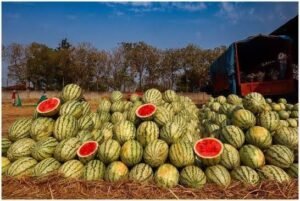


If you run a kirana store, fruit shop, vegetable shop, grocery outlet, supermarket, restaurant supply business, or small distribution business, sourcing agro products properly can make a big difference to your profit. Fruits, vegetables, grains, pulses, spices, dry fruits, and basic food items are daily-use products. People may delay buying clothes or gifts, but they cannot delay buying food.
Why agro products wholesale is a serious retail opportunity
That is why fruits vegetable wholesale is one of the most important sourcing areas for Indian retailers and bulk buyers. But let me be very clear: this business is not as simple as “go to mandi, buy cheap, sell at margin.” Fresh produce is perishable. Prices change daily. Quality changes by season. Transport affects freshness. One bad buying decision can wipe out the margin of three good days.
So, if I were sourcing agro products for my own shop, I would follow a proper system. This guide explains that system step by step.
Step 1: Decide what kind of agro products your shop should sell
Before entering any mandi, first decide your product basket. Do not buy everything just because it is available at a low price. In fruits vegetable wholesale, selection is everything.
For a small neighbourhood shop, start with daily-use vegetables like potato, onion, tomato, green chilli, lemon, ginger, garlic, coriander, cauliflower, cabbage, brinjal, beans, carrot, cucumber, capsicum, and seasonal greens. For fruits, keep bananas, apples, oranges, papaya, watermelon, grapes, mangoes, and seasonal local fruits.
If you have a larger grocery or supermarket, you can add grains, rice, wheat, atta, pulses, spices, dry fruits, seeds, and premium fruits. If your customers are health-conscious, add sprouts, millets, organic grains, exotic vegetables, and fresh-cut packs.
The first rule of fruits vegetable wholesale is simple: buy according to your customer, not according to your excitement.
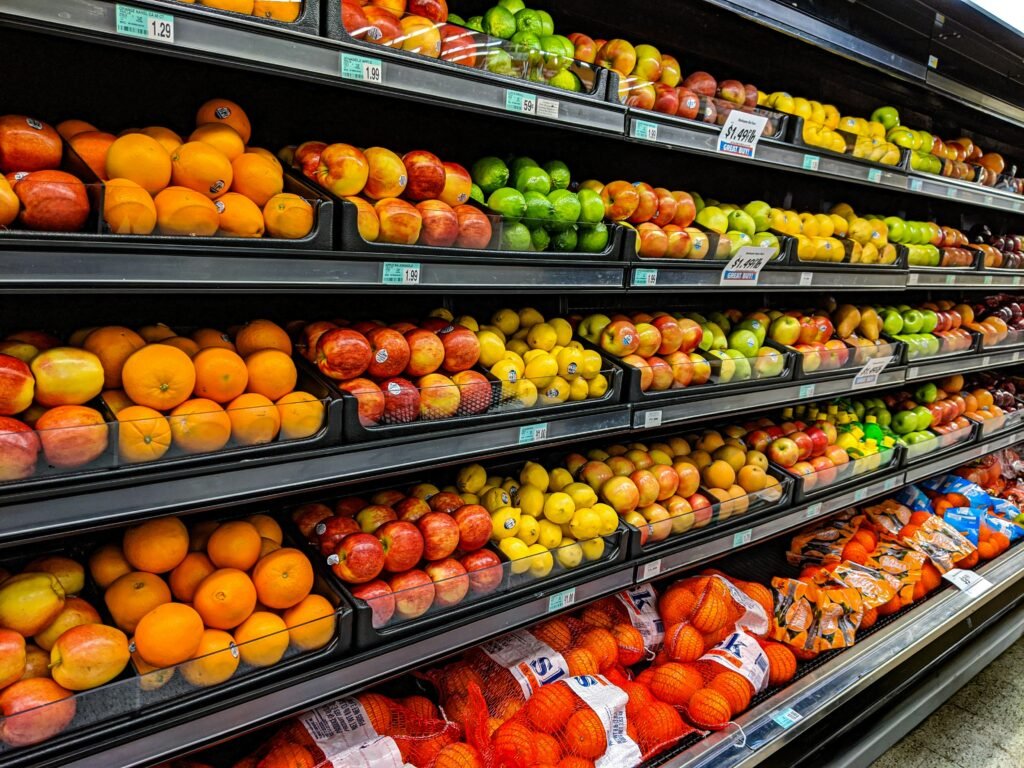
Step 2: Understand your customer’s budget and buying habit
A shop in a middle-class residential area will need a different sourcing plan from a shop near a premium apartment complex. A market near hostels, offices, restaurants, hotels, or canteens will also have different demand.
For budget customers, focus on price-sensitive products like potato, onion, tomato, seasonal vegetables, bananas, and basic grains. For premium customers, keep better-quality apples, imported fruits, broccoli, lettuce, mushrooms, cherry tomatoes, seedless grapes, avocados, baby corn, and packed salads.
In fruits vegetable wholesale, you must know whether your customer wants the cheapest produce or the freshest produce. These are not always the same thing.
Step 3: Choose the right wholesale market
India has many large agro wholesale markets. The right market depends on your location, product category, quantity, and transport cost.
For North India, Delhi’s Azadpur Mandi is a major hub for fruits and vegetables. Ghazipur Mandi is also important for Delhi and NCR buyers. For Mumbai and Maharashtra, APMC Vashi in Navi Mumbai is a major wholesale centre. For Chennai and Tamil Nadu, Koyambedu Wholesale Market is important for vegetables, fruits, flowers, and food grains. For Bengaluru, Yeshwanthpur and KR Market are commonly used. For Kolkata, Posta, Mechua, Sealdah, and nearby wholesale areas are useful depending on the category. For onions, Lasalgaon in Maharashtra is one of the most important sourcing centres. For apples, Himachal Pradesh and Kashmir routes matter. For spices and dry fruits, Khari Baoli in Delhi is a major trading hub.
The best fruits vegetable wholesale strategy is to combine local mandi sourcing with direct sourcing from production belts wherever possible.
Step 4: Learn which market is best for which product
Not every mandi is good for every product. Some markets are strong in fruits, some in vegetables, some in grains, and some in spices.
For vegetables, local APMC mandis are usually the best starting point because transport time is shorter. For fruits like apples, mangoes, grapes, oranges, and pomegranates, source according to season and production region. For grains and pulses, look at grain mandis, dal mills, rice mills, and wholesale grocery markets. For spices, go to specialised spice markets or established wholesalers.
In fruits vegetable wholesale, the source matters. Tomato from one region may have better shelf life, while tomato from another region may look good but spoil quickly. Onion from Nashik may behave differently from onion from a local mandi. Apple quality changes by grade, region, season, and storage.
Step 5: Visit the mandi early and observe before buying
Fresh produce markets work early. If you reach late, the best quality may already be gone. For vegetables, many traders begin business before sunrise. Fruits may have their own timing depending on arrivals and auction patterns.
When you visit a mandi, do not buy immediately. Walk around. Check the arrival quantity. Compare rates from different traders. See which shops have good turnover. Observe who restaurant buyers and experienced retailers are buying from.
In fruits vegetable wholesale, the first 30 minutes should be spent observing, not bargaining. A new buyer who buys too quickly often pays more or gets mixed-quality stock.
Step 6: Understand mandi pricing: minimum, maximum, and modal rate
Prices in agro markets are not fixed like packaged goods. They change daily based on arrival, weather, transport, festival demand, quality, and supply from producing states.
You will usually hear different prices for the same item. That is because grade, size, freshness, and lot quality differ. In fruits vegetable wholesale, do not ask only “rate kya hai?” Ask: which grade, which origin, how fresh, how many hours since arrival, how much wastage, and what is the expected shelf life?
Always compare the mandi price with online price dashboards, local retail price, and your own expected selling price. The gap between wholesale and retail must cover wastage, labour, transport, storage, and your profit.
Step 7: Check quality like an experienced buyer
Quality checking is the heart of fruits vegetable wholesale. For vegetables, check colour, firmness, smell, moisture, size, freshness, damage, and hidden rot. Avoid lots where the top layer looks good but the bottom layer is weak.
For fruits, check ripeness, bruising, spots, skin texture, weight, sweetness, size uniformity, and packing condition. For bananas, understand ripening stage. For apples, check grade, shine, firmness, and hidden dents. For mangoes, check smell, ripeness, sap marks, and pressure damage. For grapes, check stem freshness and berry firmness.
For grains, pulses, and spices, check moisture, dust, stones, insects, polish, smell, colour, and uniformity. In bulk grains, one small quality mistake can create customer complaints later.
Step 8: Learn grading before you negotiate
In fruits vegetable wholesale, price depends heavily on grade. A-grade produce goes to premium retailers, hotels, supermarkets, and exporters. B-grade goes to regular retail and local markets. C-grade may go to processing, street vendors, or quick-sale counters.
For your shop, you may not always need A-grade. If your customers are price-sensitive, a good B-grade product may give better profit. But never buy poor-quality C-grade unless you are sure it will sell the same day.
The smart buyer does not chase the lowest rate. The smart buyer matches grade with customer demand.
Step 9: Buy in small quantities first, then scale
Do not place a large order with a new supplier on the first day. Test the supplier with a small purchase. Check how the produce performs in your shop. Does it remain fresh? Does it sell fast? Are customers happy? Is wastage low?
This is very important in fruits vegetable wholesale because some lots look attractive in the mandi but fail at the retail counter. The real test is not how good the produce looks at 5 AM. The real test is how it looks at 5 PM in your shop.
Start small, test, and then repeat.
Step 10: Calculate landed cost, not just mandi price
Many new retailers make this mistake. They think the mandi price is their cost. It is not.
Your real cost includes mandi price, loading, unloading, transport, labour, sorting, packaging, wastage, storage, shop rent, electricity, and unsold stock. In fruits vegetable wholesale, even 5 to 10 percent wastage can change your profit calculation.
For example, if you buy tomatoes at ₹20 per kg and spend ₹2 on transport and handling, your cost becomes ₹22. If 10 percent gets damaged, your effective cost goes up further. So selling at ₹25 may look profitable, but in reality, the margin may be very thin.
Always calculate landed cost before deciding retail price.
Step 11: Manage wastage from day one
Wastage is the biggest hidden enemy in fresh produce. A retailer may earn good margins on paper but lose money because of spoilage.
In fruits vegetable wholesale, your buying quantity should match your daily sales speed. Potato and onion can stay longer, but leafy vegetables, tomatoes, berries, bananas, and soft fruits need faster rotation.
Keep fast-moving products in front. Keep delicate items in shade. Do not sprinkle too much water on produce that can rot. Remove damaged pieces immediately. One rotten fruit can spoil the whole crate.
Create three selling zones: premium fresh stock, regular stock, and quick-sale discounted stock. This helps reduce loss.
Step 12: Build relationships with reliable suppliers
In mandis, relationships matter. A good supplier can inform you about fresh arrivals, expected price rise, low-quality lots, transport delays, and better alternatives.
For fruits vegetable wholesale, build relationships with at least three suppliers in every important category. One for vegetables, one for fruits, one for grains, one for pulses, and one for spices. Do not depend on only one person.
Pay on time. Communicate clearly. Give honest feedback. If a lot had high wastage, tell the supplier politely with photos. Over time, good traders will start giving you better lots.
Step 13: Use direct farmer and FPO sourcing where possible
For larger retailers and bulk buyers, direct sourcing can be useful. Farmer Producer Organisations, farmer groups, and local aggregators can help you source directly from production areas.
But direct sourcing is not automatically cheaper. You need sorting, grading, packing, transport, payment discipline, and quality control. If you do not have these systems, mandi sourcing may still be easier.
The best fruits vegetable wholesale model is often hybrid: buy daily short-life items from local mandis and source selected seasonal products directly from growers or FPOs.
Step 14: Source grains, pulses, and staples differently
Grains and pulses are different from fresh vegetables. They have longer shelf life, but quality checking is more detailed.
For rice, check grain length, broken percentage, smell, ageing, polish, and cooking quality. For wheat, check moisture, grain size, dust, and stones. For pulses, check polish, insects, broken grains, and cooking time. For spices, check aroma, colour, adulteration risk, and oil content.
In fruits vegetable wholesale, people often focus only on fresh produce, but grains and staples can give stable business because they are less perishable and customers repeat regularly.
Step 15: Arrange transport carefully
Transport can make or break your agro business. If produce is loaded badly, packed tightly, exposed to heat, or delayed, quality drops.
For vegetables, use crates wherever possible. Avoid overloading sacks for delicate items. Keep leafy vegetables separate. Keep fruits away from strong-smelling items. Do not load heavy items over soft produce.
In fruits vegetable wholesale, speed matters. Morning buying should reach your shop quickly. If you are buying from another city, understand whether the product needs normal transport, insulated vehicle, cold chain, or overnight delivery.
Step 16: Keep simple records of price and sales
Maintain a daily register or Excel sheet. Note purchase price, quantity, supplier, transport cost, selling price, wastage, and closing stock.
After one month, you will know which products are profitable and which products only look busy but give low returns. In fruits vegetable wholesale, data helps you buy smarter. Without records, you will depend only on memory, and memory is not enough in a fast-moving mandi business.
Track seasonal trends too. Mango season, apple season, wedding season, festival demand, monsoon supply disruption, and winter vegetable arrivals all affect pricing.
Step 17: Follow basic food safety and compliance
If you are selling food products, keep your shop clean, use clean crates, avoid dirty water, keep grains protected from insects, and separate damaged stock. Check local requirements for trade licence, weighing scale certification, FSSAI registration or licence, and mandi-related rules.
This is especially important if you are selling packed grains, cut fruits, processed items, dry fruits, or supplying to restaurants and institutions.
Professional fruits vegetable wholesale buying is not only about price. It is also about trust. Customers return to shops where produce looks clean, fresh, and safe.
Step 18: Create retail categories inside your shop
Do not display everything randomly. Create clear sections: daily vegetables, seasonal vegetables, premium vegetables, fruits, grains, pulses, spices, dry fruits, and quick-sale items.
This improves customer buying. A customer who came for onion and tomato may also buy coriander, lemon, ginger, garlic, and green chilli if displayed nearby. A fruit customer may buy a fruit basket if you arrange apples, oranges, bananas, and grapes attractively.
In fruits vegetable wholesale, display is profit. Good display reduces wastage, increases basket size, and makes your shop look professional.
Step 19: Plan seasonal buying in advance
Agro products are deeply seasonal. Do not treat every month the same.
Summer brings mangoes, watermelon, muskmelon, cucumber, lemon, and cooling foods. Monsoon affects leafy vegetables and transport. Winter brings peas, cauliflower, carrot, beans, oranges, grapes, and many fresh vegetables. Festival season increases demand for fruits, dry fruits, grains, sweets ingredients, and gift baskets.
A smart fruits vegetable wholesale buyer prepares before the season starts. Speak to suppliers early. Understand expected arrivals. Check prices daily. Keep extra crates and packaging ready.
Step 20: Avoid common mistakes in agro wholesale sourcing
The most common mistake is buying too much because the rate looks low. The second mistake is buying poor quality to save ₹2 per kg. The third mistake is not calculating wastage. The fourth mistake is depending on one supplier. The fifth mistake is not checking the bottom layer of crates and sacks.
In fruits vegetable wholesale, the cheapest lot can become the costliest if half of it spoils. Always buy with your eyes, hands, nose, and calculator.
Final buying checklist for retailers and bulk buyers
Before buying any agro product, ask:
Is the product fresh?
Is the grade suitable for my customers?
What is today’s mandi rate?
What is my landed cost?
How much can I sell today?
What is the expected wastage?
Is the supplier reliable?
Is transport arranged properly?
Can I store it safely?
What will I do if it does not sell by evening?
This checklist will protect your money.
Conclusion: Buy fresh, buy smart, and rotate fast
Agro products are a beautiful business because demand is daily and repeat-based. But it is also a tough business because quality, price, and freshness change every day.
The key to successful fruits vegetable wholesale sourcing is discipline. Visit the right mandi. Know your customer. Check quality carefully. Understand grades. Calculate landed cost. Control wastage. Build supplier relationships. Keep records. Rotate stock quickly.
Do not try to become the cheapest seller in the market. Try to become the most trusted seller in your area. If your customers know that your fruits are fresh, your vegetables are clean, your grains are good, and your prices are fair, they will come back again and again.
That is the real secret of fruits vegetable wholesale. It is not only a buying game. It is a trust game.