
If you are a fish retailer, restaurant owner, seafood supplier, caterer, distributor or small trader, your profit depends on one simple thing: buying fresh fish at the right wholesale rate.
A good wholesale fish market helps you compare prices, understand daily fish rates, meet bulk suppliers and source fresh stock before it reaches local retail shops. In India, fish mandis have traditionally worked as the backbone of seafood distribution. Every morning, fish moves from boats, farms and transport trucks into these markets, and from there to neighbourhood shops, restaurants, hotels, food businesses and exporters.
Before we explore the major markets, here are some useful numbers:
- India’s fish production is now around 197.75 lakh tonnes, making the country one of the largest fish producers in the world.
- India exported seafood worth more than ₹62,000 crore in 2024-25, showing the huge size of the seafood economy.
- Fish price monitoring systems in India track rates from 90+ wholesale fish markets and 140+ retail fish markets across the country.
- Popular wholesale fish hubs include Ghazipur Fish Market Delhi, Sassoon Dock Mumbai, Kasimedu Fish Market Chennai, Patipukur Fish Market Kolkata, Chambakkara Fish Market Kochi, SGPDA Fish Market Goa, Visakhapatnam Fishing Harbour and Mangalore Bunder Fish Market.
- The fish trade supports fishermen, auction agents, wholesalers, retailers, ice suppliers, cold-chain transporters, loaders, cleaners, exporters and restaurant suppliers.
This guide is written for people who want to find a nearby wholesale fish market and buy fish at competitive wholesale rates.
Why Wholesale Fish Markets Matter for Better Rates
Fish prices change daily. Sometimes they change within hours.
The rate depends on weather, catch quantity, size of fish, freshness, season, festival demand, fishing bans, transport cost, ice cost and local consumption pattern. That is why buying from a wholesale fish market gives you a better understanding of real market rates.
Retail shops usually add margins for cleaning, display, rent, labour and wastage. But wholesale markets allow buyers to purchase in crates, baskets, lots or regular supply volumes. This gives better pricing and more bargaining power.
For a trader, even ₹10-₹20 difference per kg can matter when buying 50 kg, 100 kg or 500 kg of fish.
How Fish Wholesale Rates Are Decided
In most fish mandis, prices are decided by demand and supply.
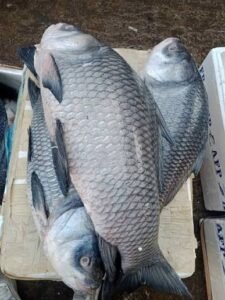
If the catch is heavy, rates fall. If the weather is bad and boats return with less catch, rates rise. Premium fish like pomfret, seer fish, prawns and crabs are usually more sensitive to demand. Freshwater fish like rohu, katla and pangasius may have steadier rates because they also come from fish farms.
The best way to understand rates is to visit the wholesale fish market early, compare multiple vendors and ask the price by size grade. A large rohu, small rohu and mixed rohu lot will not have the same rate. Similarly, large prawns and small prawns are priced very differently.
Product-Wise Wholesale Fish Market Guide
For wholesale buyers, fish markets can be divided into four main categories:
- Fresh marine fish and seafood
- Freshwater and inland fish
- Dry fish, frozen fish and processed seafood
- Ornamental fish and aquarium products
Let us explore the major markets in each category.
1. Fresh Marine Fish and Seafood Wholesale Markets
These markets are best for buyers sourcing sea fish, prawns, crabs, squid, pomfret, mackerel, sardine, tuna, lobster and seasonal coastal catch.
Sassoon Dock Fish Market, Mumbai
Sassoon Dock in Colaba is one of Mumbai’s most famous seafood trading points. It is a major wholesale fish market where fresh marine fish enters the city’s seafood supply chain early in the morning.
Unique Characteristics:
Sassoon Dock is a working harbour market. Boats bring fresh catch, traders sort the fish, and wholesale buyers purchase lots before the stock moves to retail markets, restaurants and seafood suppliers across Mumbai.
Products to Buy:
Pomfret, bombil, prawns, crabs, tuna, mackerel, surmai, rawas, squid, lobster and seasonal sea fish.
What Visitors Can Expect:
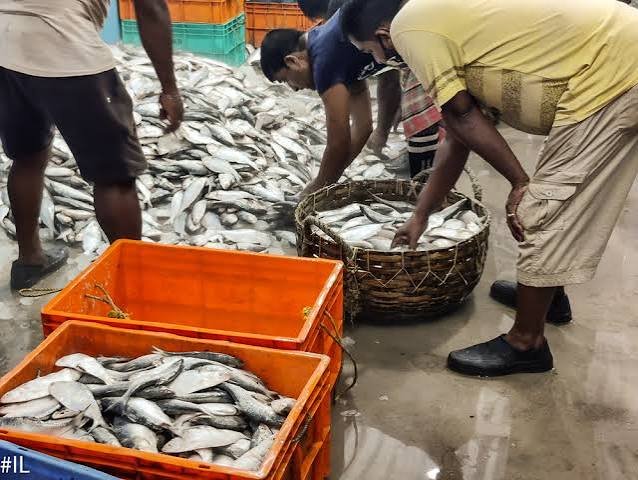
Expect wet floors, strong fish smell, fast-moving traders, auctions, ice boxes, loaders and crowded lanes. This is not a slow retail market. It is a serious business mandi.
Wholesale Rate Tip:
Rates are better early in the morning when fresh lots arrive. Compare the same fish by size and freshness before negotiating. Bigger fish usually have a higher per kg rate.
Bargaining Tips:
Do not bargain like a retail customer for one or two pieces. Ask the lot rate, crate rate or regular supply rate.
Days Open and Timings:
Usually active daily. Best wholesale time: 3:30 AM to 8:30 AM.
Location Guide:
Colaba, South Mumbai.
Google Map: https://www.google.com/maps/search/?api=1&query=Sassoon+Dock+Fish+Market+Mumbai
Kasimedu Fish Market, Chennai
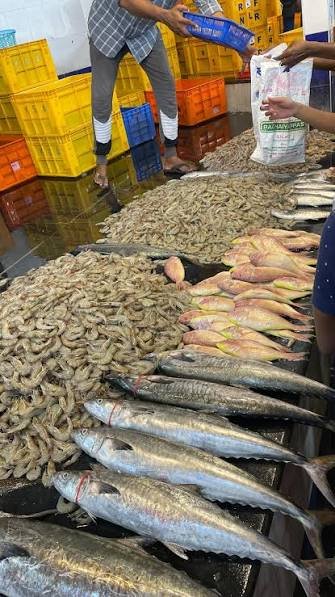
Kasimedu is Chennai’s most important wholesale fish market for marine seafood. It is located near the Chennai Fishing Harbour in Royapuram and is heavily used by retailers, restaurant suppliers and bulk seafood buyers.
Unique Characteristics:
The market becomes active very early. Fresh fish comes directly from boats, making it one of the best places in Chennai to understand real seafood wholesale rates.
Products to Buy:
Vanjaram, black pomfret, sardine, anchovy, prawns, crabs, squid, tuna, mackerel and local coastal fish.
What Visitors Can Expect:
Boat landings, sorting, fish auctions, cleaning, cutting, packing and heavy movement of buyers. The market is loud, crowded and very useful for bulk sourcing.
Wholesale Rate Tip:
Kasimedu rates depend heavily on daily catch and fishing season. During low catch days, premium fish rates can rise sharply.
Bargaining Tips:
Ask prices from at least 4-5 traders before finalizing. If buying regularly, fix a supplier relationship instead of bargaining from zero every day.
Days Open and Timings:
Usually active daily. Best wholesale time: 3:30 AM to 8:00 AM.
Location Guide:
Royapuram, Chennai.
Google Map: https://www.google.com/maps/search/?api=1&query=Kasimedu+Fish+Market+Chennai
Visakhapatnam Fishing Harbour, Andhra Pradesh
Visakhapatnam Fishing Harbour is a major East Coast seafood sourcing hub. It is useful for buyers from Andhra Pradesh, Telangana, Odisha and nearby regions.
Unique Characteristics:
Vizag has strong marine fishing activity and supplies fresh fish to local markets, processors, restaurants and long-distance traders. It is an important wholesale fish market for seafood businesses.
Products to Buy:
Prawns, tuna, seer fish, red snapper, mackerel, pomfret, crabs, squid and mixed marine fish.
What Visitors Can Expect:
A harbour-style mandi with early morning fish auctions, ice boxes, transport vehicles and bulk buying activity.
Wholesale Rate Tip:
Rates can rise during fishing bans, bad weather and low landing days. If you are a restaurant buyer, track weekly rates to plan your menu costing.
Bargaining Tips:
Negotiate on repeat orders. A regular buyer usually gets better rates than a one-time visitor.
Days Open and Timings:
Usually active daily. Best wholesale time: 4:00 AM to 8:30 AM.
Location Guide:
Fishing Harbour, Visakhapatnam.
Google Map: https://www.google.com/maps/search/?api=1&query=Visakhapatnam+Fishing+Harbour+Fish+Market
Chambakkara Fish Market, Kochi
Chambakkara Fish Market is one of Kochi’s popular fish trading points. It serves local buyers, retailers, hotels, restaurants and seafood sellers.
Unique Characteristics:
Kochi has a strong coastal seafood economy. Chambakkara is useful for buyers who want fresh Kerala seafood at wholesale rates without dealing directly with smaller landing centres.
Products to Buy:
Pearl spot, sardine, mackerel, prawns, crabs, squid, seer fish, tuna and local Kerala fish varieties.
What Visitors Can Expect:
Early morning wholesale activity, wet market lanes, ice handling, traders, transporters and strong seafood variety.
Wholesale Rate Tip:
Premium Kerala fish varieties can be expensive. Always check size, freshness and demand before buying in bulk.
Bargaining Tips:
Ask for separate rates by size grade. Do not compare small mixed fish with premium cleaned fish.
Days Open and Timings:
Usually active daily. Best wholesale time: 4:00 AM to 8:00 AM.
Location Guide:
Chambakkara, Kochi.
Google Map: https://www.google.com/maps/search/?api=1&query=Chambakkara+Fish+Market+Kochi
Mangalore Bunder / Dhakke Fish Market
Mangalore’s Bunder or Dhakke Fish Market is a major coastal Karnataka seafood hub. It is useful for fresh fish as well as dry fish sourcing.
Unique Characteristics:
The market is close to old port activity and coastal fishing networks. It is a practical wholesale fish market for traders dealing in coastal fish varieties.
Products to Buy:
Mackerel, sardine, prawns, crabs, seer fish, silver fish, squid, shellfish and dry fish.
What Visitors Can Expect:
Early morning fish landing, local auction activity, wet floors, crowded lanes and strong coastal fish variety.
Wholesale Rate Tip:
Mackerel and sardine rates can be attractive when landings are high. These are useful for retailers targeting daily household buyers.
Bargaining Tips:
For fresh fish, bargain by basket or lot. For dry fish, check moisture and salt before discussing price.
Days Open and Timings:
Usually active daily. Best wholesale time: 5:00 AM to 9:00 AM.
Location Guide:
Bunder, Mangaluru.
Google Map: https://www.google.com/maps/search/?api=1&query=Dhakke+Fish+Market+Mangalore
SGPDA Wholesale Fish Market, Margao, Goa
SGPDA Wholesale Fish Market in Margao is one of Goa’s important fish sourcing hubs. It supplies retailers, hotels, restaurants, beach shacks and local seafood traders.
Unique Characteristics:
Goa has strong fish demand because of local consumption and tourism. This market is useful for buyers who need fresh seafood in regular quantity.
Products to Buy:
Kingfish, pomfret, prawns, mackerel, sardines, crabs, squid, shellfish and local Goan fish.
What Visitors Can Expect:
Busy early morning trading, local fish vendors, restaurant buyers and transport movement.
Wholesale Rate Tip:
During tourist season, premium fish and seafood rates may rise. Compare local catch with fish arriving from neighbouring states.
Bargaining Tips:
Build supplier relationships if you run a restaurant or shack. Consistency can help you get better rates and priority stock.
Days Open and Timings:
Usually active daily. Best wholesale time: 4:00 AM to 8:00 AM.
Location Guide:
Margao/Fatorda, Goa.
Google Map: https://www.google.com/maps/search/?api=1&query=SGPDA+Wholesale+Fish+Market+Margao+Goa
2. Freshwater and Inland Fish Wholesale Markets
These markets are useful for buyers sourcing rohu, katla, pangasius, tilapia, singhara, pabda, bhetki and freshwater prawns.
Ghazipur Fish Market, Delhi
Ghazipur Fish Market is one of the most important fish mandis in Delhi-NCR. Since Delhi is not a coastal city, this wholesale fish market works as a major distribution centre.
Unique Characteristics:
Fish arrives from different states through cold-chain transport. From Ghazipur, stock moves to retail fish shops, restaurants, hotels, local markets and street vendors across NCR.
Products to Buy:
Rohu, katla, pangasius, basa, singhara, prawns, pomfret, surmai, frozen fish and crabs.
What Visitors Can Expect:
Early morning wholesale buying, ice boxes, traders, loaders, vehicles and retailers purchasing daily stock.
Wholesale Rate Tip:
Ask where the fish has come from. Same variety can have different rates depending on origin, size, freshness and transport condition.
Bargaining Tips:
Compare rates from multiple traders. If buying for daily retail sale, negotiate a regular supply arrangement.
Days Open and Timings:
Usually active daily. Best wholesale time: 4:00 AM to 9:00 AM.
Location Guide:
Ghazipur, East Delhi.
Google Map: https://www.google.com/maps/search/?api=1&query=Ghazipur+Fish+Market+Delhi
Patipukur Fish Market, Kolkata
Kolkata has one of India’s strongest fish cultures, and Patipukur Fish Market is a major sourcing point for freshwater fish and Bengal seafood demand.
Unique Characteristics:
This market is important because Bengali buyers are very particular about fish freshness, size, taste and source. It is a strong wholesale fish market for rohu, katla, bhetki, pabda and hilsa trade.
Products to Buy:
Rohu, katla, pabda, bhetki, hilsa, prawns, koi, magur, tangra and seasonal Bengal fish.
What Visitors Can Expect:
Crowded early morning trade, quick movement of stock, traders sorting fish by size and strong local demand.
Wholesale Rate Tip:
Hilsa rates can change sharply depending on season and supply. For regular trade, track prices for at least a few days before buying large quantity.
Bargaining Tips:
Learn local fish names and size grades. It helps you avoid confusion and gives you more confidence while negotiating.
Days Open and Timings:
Usually active daily. Best wholesale time: 4:00 AM to 8:30 AM.
Location Guide:
Patipukur, North Kolkata.
Google Map: https://www.google.com/maps/search/?api=1&query=Patipukur+Fish+Market+Kolkata
Russell Market / Shivajinagar Fish Market, Bengaluru
Bengaluru is an inland city, but demand for fish is high because of restaurants, supermarkets, cloud kitchens and home seafood buyers. Russell Market and nearby Shivajinagar fish vendors are useful for city sourcing.
Unique Characteristics:
Fish arrives in Bengaluru from coastal Karnataka, Kerala, Tamil Nadu, Andhra Pradesh and other regions. This gives buyers access to both marine and freshwater varieties.
Products to Buy:
Seer fish, prawns, pomfret, sardine, mackerel, basa, rohu, katla, crabs and cut-cleaned seafood.
What Visitors Can Expect:
A city-style mixed market with fish, meat, poultry, vegetables and other food items.
Wholesale Rate Tip:
Cleaned and uncleaned fish rates are different. Cutting and cleaning charges can affect your actual purchase cost.
Bargaining Tips:
If you own a restaurant or cloud kitchen, negotiate weekly supply rates instead of one-time rates.
Days Open and Timings:
Usually active daily. Best time for fresh stock: 5:00 AM to 9:00 AM.
Location Guide:
Shivajinagar, Bengaluru.
Google Map: https://www.google.com/maps/search/?api=1&query=Russell+Market+Fish+Market+Bengaluru
3. Dry Fish, Frozen Fish and Processed Seafood Markets
Fresh fish gives higher freshness appeal, but dry and frozen fish are easier to store, transport and sell across wider geographies.
Mangalore Dry Fish Market
Mangalore is one of the useful coastal hubs for dry fish sourcing.
Unique Characteristics:
Dry fish has longer shelf life and is popular in many regional cuisines. It is useful for grocery traders, exporters, food brands and small retailers.
Products to Buy:
Dry prawns, dry anchovies, dry mackerel, dry sardines, salted fish and coastal dry fish varieties.
What Visitors Can Expect:
Strong smell, sacks, baskets, bulk sorting and vendors dealing with traders from different towns.
Wholesale Rate Tip:
Cheaper dry fish may have high moisture, poor drying or excess salt. Low rate is not always good value.
Bargaining Tips:
Check smell, dryness, colour and breakage. Buy small trial lots before placing large orders.
Days Open and Timings:
Usually active daily. Best time: 6:00 AM to 11:00 AM.
Location Guide:
Bunder side, Mangaluru.
Google Map: https://www.google.com/maps/search/?api=1&query=Mangalore+Dry+Fish+Market
Frozen Seafood Suppliers Near Major Fish Mandis
Frozen fish is useful for restaurants, hotels, caterers, cloud kitchens, supermarkets and online seafood businesses.
Unique Characteristics:
Frozen seafood is more standardized than wet market fish. It is easier to store and transport, provided the cold chain is maintained properly.
Products to Buy:
Frozen basa, frozen prawns, squid, cut fish, fish fillets, crab meat, fish fingers and seafood mixes.
What Visitors Can Expect:
Suppliers near fish mandis, cold-storage hubs and seafood distribution areas.
Wholesale Rate Tip:
Check net weight, ice glaze percentage, batch date and storage condition. A low per kg rate may not be profitable if the product has too much ice glaze.
Bargaining Tips:
Negotiate based on carton quantity, repeat orders and payment terms.
Days Open and Timings:
Usually business hours: 9:00 AM to 6:00 PM, depending on supplier.
Location Guide:
Google Map: https://www.google.com/maps/search/?api=1&query=frozen+fish+wholesale+suppliers+near+me
4. Ornamental Fish Wholesale Market
This is not for edible fish. It is for aquarium shops, pet stores, breeders, hobbyists and aquarium setup businesses.
Kolathur Ornamental Fish Market, Chennai
Kolathur is one of India’s best-known ornamental fish trade clusters.
Unique Characteristics:
It is useful for buyers sourcing live aquarium fish, tanks, filters, lights, feed and aquarium accessories. It is more organized than a typical wet wholesale fish market.
Products to Buy:
Goldfish, guppy, molly, betta, flowerhorn, discus, koi, aquarium plants, tanks, filters, pumps, fish feed, stones and aquarium décor.
What Visitors Can Expect:
Aquarium shops, live fish tanks, accessory dealers and specialist vendors.
Wholesale Rate Tip:
Live fish pricing depends on breed, size, colour, health and survival rate. The cheapest fish is not always the best purchase.
Bargaining Tips:
Ask about oxygen packing, mortality guarantee, bulk pricing and transport safety.
Days Open and Timings:
Usually active daily. Best time: 10:00 AM to 8:00 PM.
Location Guide:
Kolathur/Villivakkam, Chennai.
Google Map: https://www.google.com/maps/search/?api=1&query=Kolathur+Ornamental+Fish+Market+Chennai
Practical Tips to Buy Fish at Wholesale Rates
- Do Your Research:
Before visiting any wholesale fish market, understand the common fish varieties, seasonal availability and normal wholesale rates in your city. This gives you a price benchmark. - Research Average Prices Before Shopping:
Speak to local retailers, check fish price groups or visit the market once without buying. Knowing the average rate helps you bargain better. - Start Low:
Begin with a price lower than your target rate. Leave space for compromise. But do not quote an insulting price, because wholesalers may ignore you. - Be Polite and Friendly:
A good relationship matters in wholesale trade. Vendors often give better lots and early information to buyers who are respectful and regular. - Visit Multiple Vendors:
Do not buy from the first stall. Compare freshness, size, ice quality, smell, colour and price across several vendors. - Consider Transportation:
Fish needs quick and cold movement. Carry insulated boxes or arrange transport before buying. For larger orders, ask whether the wholesaler can arrange delivery. - Go Early:
The best stock in a wholesale fish market is usually sold early. For harbour markets, reach between 3:30 AM and 6:00 AM. Parking can be difficult, so plan ahead. - Payment Options:
Many traditional fish vendors prefer cash. Some accept UPI. Cards are not common in most fish mandis, so keep your payment method ready. - Wholesale Purchase:
Buy in bulk and negotiate accordingly. Wholesalers are more interested in crate, basket, lot or regular supply buyers than single-piece customers.
Quality Checklist Before Final Purchase
Before buying in bulk, check:
- Clear eyes
- Red or pink gills
- Firm flesh
- Fresh smell
- Clean ice
- No ammonia smell in prawns
- No excess ice glaze in frozen fish
- Proper dryness in dry fish
- No unusual chemical smell
- Correct weight after cleaning and packing
Best Time to Visit a Wholesale Fish Market
For fresh fish, early morning is best. Most fresh fish mandis are active between 4:00 AM and 8:00 AM.
For frozen seafood suppliers, regular business hours are fine.
For ornamental fish markets, late morning to evening is usually better.
Final Words
A good wholesale fish market is not just a place to buy fish. It is a place to understand daily wholesale rates, compare suppliers, judge freshness, build vendor relationships and improve your profit margin.
If you are in Delhi-NCR, start with Ghazipur. If you are in Mumbai, Sassoon Dock is a strong seafood hub. If you are in Chennai, Kasimedu is the main marine fish market and Kolathur is useful for ornamental fish. If you are in Kolkata, Patipukur is important for freshwater fish. If you are near Kochi, Goa, Mangalore or Vizag, coastal fish mandis can give excellent access to fresh seafood at wholesale rates.
For retailers, restaurants and small traders, the best buying rule is simple: go early, compare rates, check quality and buy in bulk. That is how you get real value from a wholesale fish market.
See Also
India Fish Market
Bangalore Fish Market with price – HAL Market | Best Fish Market in Bangalore
Vegetable Wholesale Market in India: Best Sabzi Mandis for Retailers, Restaurants and Bulk Buyers
Wholesale Sourcing Essentials: A Practical Guide for New Retailers and Bulk Buyers in India