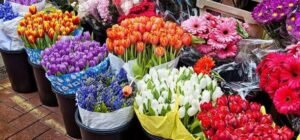

India has a huge trade in fresh flowers, but there is one thing every buyer quickly learns: flower wholesale rates are never really fixed.
The price of roses that looked attractive yesterday can increase substantially before a wedding weekend. Jasmine prices can rise sharply when rain affects supply. Marigold prices may climb before Diwali, Durga Puja or Ganesh Chaturthi and drop again once the festival rush is over.
This makes India’s wholesale flower markets particularly interesting for retailers, florists, wedding decorators, temple suppliers and event companies.
Instead of purchasing flowers through multiple intermediaries, buyers can visit wholesale flower mandis where produce arrives directly from growers, traders and commission agents.
Some useful figures help put the industry into perspective:
- India had approximately 397,890 hectares under floriculture cultivation in 2024-25.
- Production during the same period was around 3.23 million tonnes of loose flowers and 1.04 million tonnes of cut flowers.
- Floriculture exports from India were worth approximately ₹818 crore in 2025-26.
- Andhra Pradesh, Tamil Nadu, Madhya Pradesh, Karnataka and West Bengal are among India’s important flower-producing states.
- Delhi’s Ghazipur flower market redevelopment plans provided space for more than 400 commission agents and wholesalers.
- Large markets such as Dadar, Koyambedu, KR Market and Mullick Ghat support hundreds of traders, retailers, porters and associated workers.
There is no single national flower wholesale rate because pricing varies from city to city and sometimes even between vendors operating a few metres apart.
The sensible approach is therefore to know where flowers are traded, understand how wholesale prices work and compare several suppliers before buying.
Here are some of India’s most useful wholesale flower sourcing centres.
Flower Wholesale Rates in India: Major Markets at a Glance
| Wholesale flower market | City | Best known for | Best buying period |
|---|---|---|---|
| KR Market | Bengaluru | Jasmine, roses, marigold, garlands | 4:00-8:00 AM |
| Mullick Ghat | Kolkata | Marigold, garlands, lotus, seasonal flowers | 4:00-8:00 AM |
| Gudimalkapur | Hyderabad | Jasmine, roses, loose flowers, wedding flowers | 4:00-8:00 AM |
| Ghazipur Flower Market | Delhi | Roses, lilies, orchids and premium cut flowers | 3:00-8:00 AM |
| Dadar Flower Market | Mumbai | Wedding flowers, roses, garlands, premium flowers | 4:00-8:00 AM |
| Koyambedu Flower Market | Chennai | Jasmine, roses, chrysanthemums and temple flowers | 3:30-8:00 AM |
| Mattuthavani Flower Market | Madurai | Madurai Malli jasmine and traditional flowers | 4:00-9:00 AM |
These timings matter.
By 10 or 11 in the morning, a flower market may technically still be open, but the serious wholesale business could already be over.
If wholesale flower prices and selection are important to you, arrive while fresh consignments are still being traded.
Wholesale Rates for Loose Flowers and Garlands
Loose flowers form an enormous part of India’s flower business.
Marigold, jasmine, chrysanthemum, roses and tuberose are bought by the kilogram for temples, weddings, hotels, festivals, religious ceremonies and decoration.
Rates are normally lower at the mandi level than at neighbourhood flower shops, but prices depend heavily on the day’s arrivals.
1. KR Market Flower Wholesale Rates, Bengaluru
KR Market is one of Bengaluru’s oldest and busiest trading areas and an important destination for anyone searching for flower wholesale rates in Bengaluru.
Long before nearby shops open, the flower section is already active.
Large sacks of marigold arrive alongside roses, jasmine, chrysanthemums, kanakambara and other locally popular flowers.
Why KR Market is useful for wholesale buyers
The biggest advantage is variety.
A small florist can source daily flowers, while wedding decorators can negotiate for much larger quantities.
Traditional South Indian flowers are particularly well represented.
Flowers available
Common products include:
- Jasmine or mallige
- Marigold
- Roses
- Chrysanthemums
- Kanakambara
- Tuberose
- Loose flowers
- Flower strings
- Wedding garlands
What affects flower wholesale rates here?
Prices depend on farm arrivals, rainfall, wedding dates and festivals.
On a normal weekday, sellers may be flexible if supply is strong.
Before major festivals, however, demand can rise dramatically and bargaining power shifts towards the trader.
What buyers should expect
KR Market is crowded, noisy and very fast moving during the early morning.
Flowers may be displayed in sacks, baskets, heaps and bundles rather than neatly labelled retail packs.
Buyers should ask whether prices are quoted per kilogram, bundle, basket or garland.
Bargaining tip
Ask the rate at three or four vendors before committing.
If you need 20 kilograms, do not begin by asking for the price of 500 grams. Tell the wholesaler your actual quantity because bulk rates may be different.
Opening days and timings
Days: Daily
Best wholesale buying period: Approximately 4:00 AM-8:00 AM
Location
KR Market, Kalasipalya/Chickpet, Bengaluru, Karnataka.
Google Maps: Search for “KR Market Flower Market Bengaluru”.
2. Mullick Ghat Flower Wholesale Market, Kolkata
Mullick Ghat is among India’s most visually distinctive flower markets.
Located beside the Hooghly River and Howrah Bridge, it handles enormous quantities of flowers every morning.
For traders checking flower wholesale rates in Kolkata, it remains one of the first places worth visiting.
What makes Mullick Ghat different?
Marigold is one of the market’s signature products.
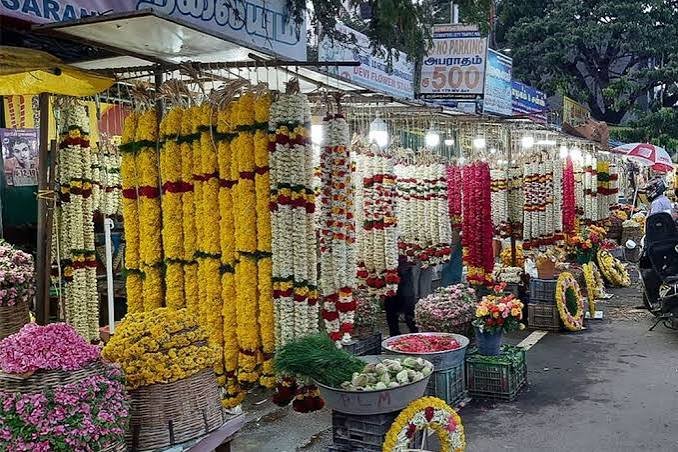
Long orange and yellow garlands can be seen everywhere, particularly before religious festivals and weddings.
Its scale also means buyers can compare many vendors within a relatively compact area.
Products to buy
Look for:
- Marigold
- Rose
- Lotus
- Tuberose
- Chrysanthemum
- Jasmine-type flowers
- Sunflower
- Seasonal flowers
- Ready-made garlands
What visitors can expect
This is a traditional open wholesale environment.
Flowers may be traded directly from baskets or temporary spaces rather than conventional shops.
Porters carry large consignments through narrow lanes, while retailers and decorators negotiate rapidly.
How wholesale prices work
Prices typically increase when religious festivals create sudden demand.
Durga Puja, Kali Puja, weddings and other major occasions can significantly change flower mandi rates.
Bargaining tip
Confirm the unit before comparing prices.
A trader may quote one amount for a basket and another for a kilogram.
For large decoration orders, negotiate the complete lot.
Opening days and timings
Days: Daily
Best wholesale buying period: Around 4:00 AM-8:00 AM
Trading can continue later, but early morning offers the best selection.
Location
Strand Bank Road, near Howrah Bridge, Kolkata.
Google Maps: Search for “Mullick Ghat Flower Market Kolkata”.
3. Gudimalkapur Flower Market Wholesale Rates, Hyderabad
Gudimalkapur is one of Hyderabad’s primary centres for bulk flower trading.
It is particularly useful for wedding decorators, temple suppliers, event companies and retailers searching for wholesale flower prices in Hyderabad.
Unique characteristics
Gudimalkapur combines traditional South Indian flowers with commercially important decorative flowers.
The market becomes especially busy during Ganesh Chaturthi, weddings and religious festivals.
Flowers commonly available
Buyers can find:
- Jasmine
- Sannajaji
- Kanakambaram
- Rose
- Marigold
- Chrysanthemum
- Lily
- Loose flowers
- Garlands
- Decorative foliage
What visitors can expect
Flowers arrive before sunrise from farms in Telangana and neighbouring states.
Experienced buyers move quickly because the freshest lots often sell first.
Wholesale rate tip
Do not assume the lowest quoted rate provides the best value.
Inspect freshness, fragrance, damaged petals and usable quantity.
Flowers with 15% wastage may actually cost more than a better-quality batch priced slightly higher.
Bargaining tip
Tell the seller whether your requirement is regular.
A retailer purchasing flowers every day or several times a week may eventually secure better terms than a one-time buyer.
Opening days and timings
Days: Daily
Best wholesale period: Approximately 4:00 AM-8:00 AM
Many individual flower shops remain open later.
Location
Gudimalkapur, near Mehdipatnam, Hyderabad, Telangana.
Google Maps: Search for “Gudimalkapur Flower Market Hyderabad”.
Wholesale Rates for Roses, Lilies and Premium Cut Flowers
Not every flower buyer needs marigold and jasmine.
Bouquet shops, corporate florists, wedding planners, hotels and event companies often require:
- Long-stem roses
- Gerbera
- Lily
- Carnation
- Orchid
- Anthurium
- Hydrangea
- Decorative foliage
These flowers are usually sold by bunch, stem, bundle or carton rather than simply by weight.
For premium flowers, quality grading becomes particularly important.
4. Ghazipur Flower Market Wholesale Rates, Delhi
Ghazipur Phool Mandi is one of Delhi-NCR’s most important wholesale flower sourcing centres.
Anyone comparing flower wholesale rates in Delhi should consider visiting Ghazipur before purchasing large quantities through a florist or distributor.
Unique characteristics
Ghazipur offers an unusually broad combination of traditional and premium flowers.
One trader might specialise in marigold while another deals in lilies, roses or orchids.
This makes the market useful for event companies that need many varieties in a single sourcing trip.
Flowers to buy
Typical products include:
- Rose
- Marigold
- Lily
- Carnation
- Orchid
- Gerbera
- Anthurium
- Tuberose
- Seasonal flowers
- Decorative foliage
What buyers can expect
Wholesale activity starts extremely early.
Trucks unload consignments before sunrise and professional buyers often finish purchasing before normal shops elsewhere in Delhi open.
Why prices vary
Premium flower prices depend not just on variety but also on:
- Stem length
- Bloom size
- Colour
- Freshness
- Domestic or imported origin
- Remaining vase life
- Grade
Two wholesalers may therefore quote different rates for flowers that appear similar at first glance.
Bargaining tip
Never compare premium roses purely on price per bunch.
Count the stems and examine stem length and flower-head size.
Cheap stock with weak stems may create more wastage and unhappy customers.
Opening days and timings
Days: Daily
Main wholesale period: Approximately 3:00 AM-8:00 AM
Some businesses continue trading until late morning.
Location
Ghazipur Flower Mandi, East Delhi.
Google Maps: Search for “Ghazipur Flower Market Delhi”.
5. Dadar Flower Market Wholesale Rates, Mumbai
Dadar Flower Market, frequently called Phool Gully, is one of Mumbai’s best-known flower trading areas.
Its location close to Dadar railway station makes it comparatively accessible for small retailers who do not have their own commercial vehicles.
Why Dadar is important
Dadar combines flowers needed for everyday religious use with premium varieties required by wedding and event decorators.
This allows buyers to compare wholesale flower prices in Mumbai for several product categories in a single location.
Products to buy
Commonly available flowers include:
- Rose
- Marigold
- Orchid
- Lotus
- Chrysanthemum
- Tuberose
- Jasmine
- Hydrangea
- Decorative leaves
- Wedding garlands
What to expect
The market becomes active at around 4 AM.
The period between roughly 5 AM and 7 AM is particularly important for professional buyers.
During Ganesh Chaturthi, Diwali and peak wedding months, both volume and demand can rise sharply.
Flower wholesale rate tip
Check what is inside the bundle.
The outer flowers may look fresh while damaged blooms are sometimes hidden inside.
Open a bunch before purchasing a large quantity.
Bargaining tip
For regular sourcing, relationships matter.
If you repeatedly buy from the same trader, ask them to inform you of availability and approximate next-day prices through phone or WhatsApp.
Knowing the rate before leaving home can save substantial time.
Opening days and timings
Days: Daily
Best wholesale period: Around 4:00 AM-8:00 AM
Retail activity continues later.
Location
Near Dadar Railway Station, Senapati Bapat Marg, Dadar West, Mumbai.
Google Maps: Search for “Dadar Flower Market Mumbai”.
Jasmine and Traditional Flower Wholesale Rates
Jasmine occupies a special place in the South Indian flower economy.
It is purchased for personal adornment, weddings, religious use, hotels, temples and festivals.
Its extremely short shelf life also makes wholesale pricing more volatile.
6. Koyambedu Flower Wholesale Market, Chennai
The Koyambedu Wholesale Market Complex contains Chennai’s important Kamarajar Flower Market.
For retailers searching for flower wholesale rates in Chennai, this is one of the city’s principal sourcing destinations.
What makes Koyambedu different?
Tamil Nadu has an exceptionally strong tradition of buying loose and strung flowers.
Koyambedu handles both:
Uthiri poo – loose flowers
and
Kattina poo – flowers tied into strings.
Flowers available
Common varieties include:
- Malli
- Jaathi malli
- Mullai
- Rose
- Chrysanthemum
- Marigold
- Tuberose
- Temple flowers
- Wedding garlands
- Flower strings
What buyers can expect
Trucks can arrive as early as 2-4 AM.
Serious trading starts while most of Chennai is still asleep.
By late morning, many of the best wholesale lots may already have been sold.
Wholesale price tip
Freshness matters enormously with jasmine.
A cheaper kilogram of jasmine nearing bloom may have a much shorter useful life than slightly more expensive fresh buds.
Inspect fragrance, colour and the condition of the buds carefully.
Bargaining tip
Ask when the flowers arrived.
If you run a retail shop, wholesalers may also be willing to prepare an order for collection at the same time every morning.
Opening days and timings
Days: Daily
Best wholesale period: Approximately 3:30 AM-8:00 AM
Location
Kamarajar Flower Market, Koyambedu Wholesale Market Complex, Chennai.
Google Maps: Search for “Koyambedu Flower Market Chennai”.
7. Mattuthavani Flower Market, Madurai
Madurai is synonymous with jasmine, particularly the famous Madurai Malli.
For businesses dealing in jasmine, Mattuthavani is one of the most interesting markets for understanding fresh flower wholesale prices.
Unique characteristics
Unlike a general-purpose flower market, Mattuthavani has a particularly strong association with locally grown jasmine.
The market supplies retailers, wedding businesses, temples and flower traders across the region.
Products to buy
Important varieties include:
- Madurai Malli
- Mullai
- Pitchi
- Rose
- Marigold
- Temple flowers
- Wedding flowers
Why jasmine rates fluctuate
Jasmine is highly sensitive to supply.
Rain, excessive heat and reduced flowering can immediately affect arrivals.
At the same time, festivals and auspicious wedding dates can push demand upwards.
For this reason, jasmine can sometimes move from an ordinary wholesale rate to several times that amount within a relatively short period.
What visitors can expect
Wholesale buyers arrive very early to secure fresh stock.
The fragrance is unmistakable, but do not let appearance alone determine your purchase.
Closely inspect whether buds are fresh and firm.
Bargaining tip
Ask at least three traders for the day’s rate.
Do this before revealing how much you need.
Once you know the general market price, negotiate your larger order.
Opening days and timings
Days: Daily
Best sourcing period: Approximately 4:00 AM-9:00 AM
Trading may continue towards noon.
Location
Mattuthavani, Madurai, Tamil Nadu.
Google Maps: Search for “Mattuthavani Flower Market Madurai”.
How Are Flower Wholesale Rates Calculated?
There is no MRP for fresh flowers.
The flower wholesale rates in India are influenced by several factors.
Farm arrivals
If unusually large quantities reach the mandi, prices can fall.
Poor harvests normally produce the opposite effect.
Season
Different flowers bloom at different times of the year.
Buying naturally abundant seasonal flowers can be considerably cheaper than trying to source a particular variety outside its normal production period.
Festivals
Diwali, Onam, Durga Puja, Ganesh Chaturthi, Dussehra and religious celebrations create sudden spikes in flower demand.
Wedding dates
India’s wedding calendar has a direct effect on the wholesale flower business.
Multiple auspicious wedding dates within the same week can push prices higher.
Weather
Heavy rainfall, excessive temperatures or transport disruptions can reduce market arrivals.
Grade and quality
Ten kilograms of flowers from two vendors are not necessarily equivalent.
Petal damage, flower-head size, stem length, freshness and bloom stage affect the real value.
Origin
Locally produced flowers may cost considerably less than flowers transported hundreds of kilometres or imported.
How to Compare Flower Wholesale Prices Properly
The cheapest quotation is not necessarily the best wholesale rate.
Suppose one trader offers 20 kilograms of flowers at a lower rate, but three kilograms are damaged.
Another wholesaler charges slightly more but supplies almost entirely usable stock.
The second purchase may actually give you the lower effective cost.
Businesses should therefore calculate:
Purchase Price + Transport Cost + Wastage = Actual Cost
This is far more useful than comparing quoted mandi prices alone.
Tips for Getting Better Flower Wholesale Rates
- Do Your Research: Learn which flower varieties are normally traded in the market before visiting. Also understand whether the product is commonly quoted per kilogram, bunch, stem, bundle, crate or garland. Knowing the basic trading unit makes it much easier to compare wholesale rates.
- Research Average Prices Before Shopping: Flower prices change rapidly, but recent rates still provide a useful benchmark. Call a wholesaler, ask another retailer or check local mandi information before travelling. Knowing an approximate rate prevents you from accepting the first quotation blindly.
- Start Low: When bargaining is normal, begin somewhat below your target buying price. Leave enough room for negotiation, but avoid unrealistic offers. Wholesale traders know their purchase cost and will quickly lose interest if a buyer offers a fraction of the prevailing market rate.
- Be Polite and Friendly: Successful wholesale sourcing is often based on relationships. A friendly, regular buyer may eventually receive advance information about fresh arrivals, better-quality lots and preferential prices. Aggressive bargaining for every last rupee can damage a potentially useful long-term supplier relationship.
- Visit Multiple Vendors: Compare at least three sellers before placing a substantial order. Check quality as carefully as price. The cheapest vendor may be selling flowers with shorter remaining shelf life.
- Consider Transportation: Work out transport before buying. Large quantities may require an auto, tempo or commercial vehicle. Delicate cut flowers can also require careful packing or temperature management. Ask whether the wholesaler offers delivery because delivery charges can affect the true wholesale rate.
- Go Early: The best selection is usually available during the early hours. Professional retailers often arrive before sunrise. Early purchasing also means lower ambient temperatures, which can help preserve flower freshness during transportation.
- Payment Options: UPI is now common in many wholesale markets, but carry an alternative payment method. Cash remains useful, while debit and credit card acceptance is far less reliable among small wholesale traders.
- Wholesale Purchase: Remember that wholesale pricing is designed for quantity. Instead of bargaining over one bunch, tell the trader you need 50 bunches. The seller is more likely to offer a meaningful discount when the total order is large.
How to Find the Best Flower Wholesale Rates Near You
Start locally.
The famous flower markets mentioned above are useful reference points, but transporting highly perishable flowers hundreds of kilometres can eliminate any price advantage.
Search for:
“flower wholesale market near me”
“flower mandi near me”
“flower wholesale rates near me”
“wholesale flower suppliers near me”
Then compare local options based on four factors:
- Wholesale purchase price
- Product freshness
- Transportation cost
- Wastage
A nearby market charging ₹5 more per kilogram may ultimately be cheaper than a distant market requiring expensive transport.
Which Wholesale Flower Market Is Best for Your Business?
Different businesses need different flowers.
For flower retailers
Choose the closest major mandi with reliable everyday supply.
For wedding decorators
Look for markets offering marigold, roses, jasmine, foliage and premium flowers together.
For bouquet businesses
Delhi’s Ghazipur and Mumbai’s Dadar are particularly useful for comparing roses, carnations, lilies, orchids and other cut flowers.
For jasmine wholesalers
Madurai, Chennai, Bengaluru and Hyderabad are major sourcing centres worth exploring.
For temple and religious flower suppliers
Kolkata, Bengaluru, Chennai, Hyderabad and Madurai all have strong traditional flower markets.
Frequently Asked Questions About Flower Wholesale Rates
What is the wholesale price of flowers in India?
There is no single wholesale price. Rates depend on flower variety, city, season, quality, weather, supply and demand. Prices can change daily and sometimes several times during major festivals.
Are flowers cheaper at wholesale markets?
Usually yes when purchased in genuine wholesale quantities. However, buyers should include transport costs and wastage before comparing the final cost with a local supplier.
What time should I visit a wholesale flower market?
Between approximately 4 AM and 8 AM is ideal in many Indian flower markets. Some specialised markets begin even earlier.
Which flower has the most volatile wholesale price?
Jasmine can be particularly volatile because it is highly perishable and its availability depends strongly on weather and seasonal production.
Can ordinary buyers purchase from flower wholesalers?
Yes, in most markets. However, the best rates may require minimum quantities.
Can I negotiate flower wholesale rates?
Yes, particularly when purchasing substantial quantities. The amount of bargaining possible depends on daily supply, demand and the seller’s margin.
Which market is good for wholesale roses?
Ghazipur in Delhi, Dadar in Mumbai, KR Market in Bengaluru and Koyambedu in Chennai are all useful places to investigate wholesale rose sourcing.
Do flower markets accept UPI?
Many traders accept UPI, although acceptance varies. Cash remains useful and cards should not be assumed.
Final Thoughts on Flower Wholesale Rates in India
For a flower retailer or decoration business, knowing where to buy is only half the job.
Knowing what represents a good wholesale rate is equally important.
KR Market in Bengaluru, Mullick Ghat in Kolkata, Gudimalkapur in Hyderabad, Ghazipur in Delhi, Dadar in Mumbai, Koyambedu in Chennai and Mattuthavani in Madurai are all important flower sourcing centres, but each serves a slightly different market.
Compare several wholesalers.
Check freshness.
Understand the unit in which the flowers are being sold.
Include transportation and wastage in your calculations.
And most importantly, visit early.
Because fresh flowers are highly perishable agricultural products, the lowest quoted flower wholesale rates in India do not automatically represent the best deal.
For most retailers, the smartest sourcing strategy is to find a reliable nearby wholesaler offering consistently fresh flowers at competitive rates and then build a long-term relationship.
That is usually more valuable than chasing the cheapest flower price from one market to another.