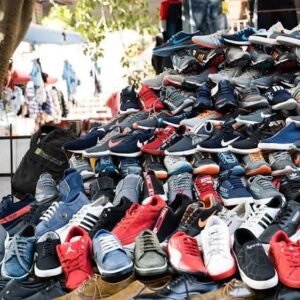

If you run a footwear shop, garment store, online resale business or local distribution network, product sourcing can directly decide your profit.
A shoe that looks cheap at first may become expensive after adding GST, transport, packaging, rejected sizes and damaged stock. On the other hand, a slightly higher wholesale rate may still offer better profit if the product has good finishing, balanced size sets and reliable repeat supply.
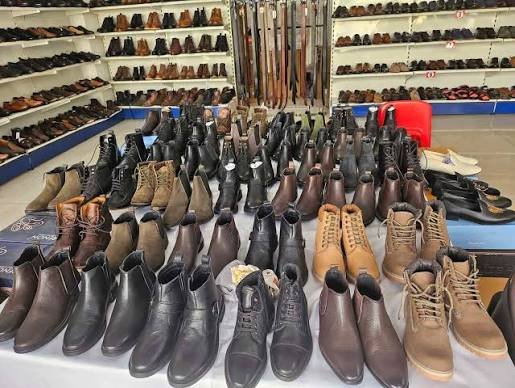
This is why choosing the right wholesale shoes market is not only about finding the lowest rate.
You need to find the right product, the right supplier and the right quantity at a price your customers will accept.
India has several major footwear sourcing centres. Some are connected with factories and manufacturing units. Others work mainly as distribution markets where products arrive from different states.
Agra is known for footwear manufacturing. Delhi offers huge variety in budget and fashion footwear. Chennai, Kolkata and Mumbai have strong leather trading networks. Jaipur and Kolhapur are important for traditional footwear.
This guide explains where to go, what to buy, how wholesale shoe rates are calculated and what retailers should check before placing a bulk order.
Wholesale Shoes Market in India: Quick Trade Facts
Before discussing individual markets, here are a few useful facts for footwear retailers, wholesalers and bulk buyers:
- India is the world’s second-largest footwear producer.
- The country contributes approximately 10.7% of global footwear production.
- India’s leather and footwear sector contributes around 2% of national GDP.
- The sector provides employment to approximately 4.42 million people.
- India produces leather as well as non-leather footwear for domestic and export markets.
- Major footwear sourcing hubs include Agra, Delhi, Chennai, Kolkata, Mumbai, Bengaluru, Jaipur and Kolhapur.
- Popular wholesale categories include men’s formal shoes, sneakers, sports-style footwear, school shoes, safety shoes, slippers, sandals, women’s fashion footwear, juttis and Kolhapuri chappals.
- Footwear is commonly traded by size set, dozen, carton, lot or complete assortment instead of single pieces.
- Wholesale shoe rates depend on material, sole construction, print or decoration, brand, quantity, packaging and transport.
- Many wholesalers provide inter-state dispatch through road transport, courier or railway parcel services.
India’s production scale and large employment base make footwear an important manufacturing and trading sector. (Press Information Bureau)
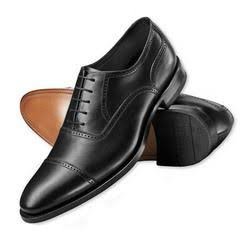
Why Footwear Retailers Visit Wholesale Markets
Online supplier directories are useful for initial research. However, footwear is one product category where physical inspection remains important.
Two shoes can look almost identical in a photograph but have completely different quality.
The difference may be in the sole, upper material, stitching, adhesive, inner lining or size consistency.
At a wholesale shoes market, you can hold the product, bend the sole, inspect the finishing and compare multiple suppliers in one trip.
You can also ask practical questions:
- Is repeat stock available?
- What is the minimum order quantity?
- Can different colours be mixed?
- What is the size ratio inside the carton?
- Are damaged pairs replaceable?
- Is GST included in the quotation?
- Can the wholesaler arrange transport?
- Is private labelling available?
- What happens if the size runs smaller than standard?
For serious retailers, these answers are often more important than a small difference in price.
How Wholesale Shoe Rates Are Calculated
There is no single fixed wholesale rate for shoes.
The final rate depends on several factors.
1. Upper Material
Footwear may use genuine leather, synthetic leather, rexine, mesh, canvas, knitted fabric, rubber, PVC, EVA or mixed material.
Genuine leather footwear generally costs more than synthetic footwear. However, even within leather, rates differ according to grade, thickness, finish and treatment.
2. Sole Material
The sole has a major impact on both price and durability.
Common sole materials include PVC, PU, EVA, rubber, TPR and phylon.
A lightweight EVA slipper and a stitched leather shoe cannot be compared only by pair price.
3. Construction Method
Shoes may be pasted, stitched, moulded or made using a combination of methods.
Better sole bonding, stronger stitching and proper finishing increase production cost but can reduce customer complaints.
4. Quantity and MOQ
Wholesalers normally offer better rates when you buy a full size set, dozen, carton or larger lot.
A supplier may quote four different prices for:
- One sample pair
- One complete size set
- One carton
- A repeat monthly order
Always ask for quantity-wise rates.
5. Packaging
Individual boxes, branded tissue, tags, barcodes and outer cartons increase cost.
For low-cost slippers, simple bulk packing may be enough. For premium footwear, better packaging can improve retail value.
6. Branding and Private Labels
Custom logos, printed insoles, neck labels, tags, boxes and mould development may involve setup charges.
Private-label orders also usually have a higher MOQ.
7. Transport and GST
A low market rate may not remain low after transport.
Footwear cartons are bulky. Freight may be charged according to volume rather than only weight.
Calculate the final landed cost before comparing suppliers.
Landed Cost Formula for Wholesale Footwear
Use this simple formula:
Product cost + GST + packaging + transport + loading and unloading + local delivery + expected defects = landed cost
Then calculate your margin:
Selling price – landed cost – shop expenses – marketplace commission – discounts – returns = actual profit
Do not calculate your margin only from the basic pair rate.
Best Wholesale Shoes Markets in India
The best wholesale shoes market depends on what you want to sell.
For formal and factory-made footwear, Agra is important. For budget variety, Delhi is useful. For leather footwear in South India, Chennai is worth exploring. For traditional footwear, Jaipur and Kolhapur have a clear advantage.
1. Hing Ki Mandi, Agra: Major Footwear Manufacturing and Wholesale Hub
Hing Ki Mandi is one of the best-known footwear areas in Agra.
Agra is not simply a trading city where finished products arrive from somewhere else. It has manufacturers, small production units, job workers, component suppliers and wholesalers.
This short supply chain can help buyers access competitive wholesale rates and wider production options.
Agra’s footwear cluster includes organised factories as well as thousands of smaller units and independent shoemakers. (ThePrint)
Products to Source
- Men’s formal shoes
- Derby and Oxford shoes
- Loafers
- Chelsea boots
- School shoes
- Safety shoes
- Casual footwear
- Sports-style shoes
- Women’s sandals
- Slippers
- Shoe uppers
- Soles, heels, laces and components
What Makes Hing Ki Mandi Special?
The main advantage is direct connection with manufacturing.
Retailers can explore different quality levels in the same product category. You may find budget formal shoes, mid-range office footwear and better-finished export-style products in nearby shops.
Some manufacturers may also accept custom colours, branding or packaging when the order quantity is sufficient.
Wholesale Rate and MOQ Strategy
Ask suppliers for rates according to:
- One size set
- Half carton
- Full carton
- 50-pair order
- 100-pair order
- Repeat monthly quantity
Do not assume the lowest quotation represents the same product quality.
Compare the upper, sole, stitching and inner lining before comparing rates.
What Visitors Can Expect
Expect narrow lanes, workshops, sample rooms, godowns and regular movement of cartons.
Some wholesalers display one sample per design and keep bulk stock in another location.
Tell the supplier your customer segment. A wholesaler can guide you differently if you sell to budget customers, school uniform buyers or premium officewear customers.
Bargaining Tip
Negotiate product rate, packaging and freight separately.
A supplier may reduce the pair rate but recover the difference through packaging or transport.
Typical Market Timings
Most businesses generally work from around 10:00 AM to 7:30 PM, Monday to Saturday.
Individual shops may follow different timings, so call before travelling.
Google Map
Google Map: Hing Ki Mandi Shoe Market, Agra
2. Sadar Bazaar and Nabi Karim, Delhi: Budget and Fashion Footwear
Delhi is useful for buyers who want variety.
Sadar Bazaar, Nabi Karim, Qutub Road and nearby trading lanes have wholesalers dealing in footwear, bags, garments and accessories.
The wider Sadar Bazaar area is one of Delhi’s major wholesale districts and includes shops selling shoes and leather products alongside many other product categories. (Wikipedia)
Products to Source
- Budget sneakers
- Men’s casual shoes
- Slippers and flip-flops
- EVA and PVC footwear
- Ladies’ sandals
- Flats and heels
- Children’s shoes
- School footwear
- Winter boots
- Insoles, laces and accessories
What Makes Delhi Useful?
Delhi functions as a large distribution centre.
You may find products manufactured in Agra, Haryana, Rajasthan, Punjab, Uttar Pradesh and other locations in the same market.
This is useful for retailers who want mixed stock instead of ordering a large quantity from one factory.
Wholesale Rate and MOQ Strategy
Ask whether the wholesaler allows:
- Mixed designs
- Mixed colours
- Mixed size sets
- Half cartons
- Trial orders
- Repeat supply in the same design
Some low-cost suppliers offer attractive carton rates but provide an inconvenient size ratio.
Always open one carton and check the exact quantity of each size.
What Visitors Can Expect
Expect heavy crowds, porters, handcarts and congested lanes.
Go with a written product list. Random browsing can take an entire day.
Be careful with products carrying well-known brand names. Buy branded footwear only from authorised distributors who provide proper invoices.
Bargaining Tip
Compare at least five wholesalers before finalising an order.
A very low price may indicate old stock, weak bonding, uneven sizes or poor finishing.
Typical Market Timings
Most shops generally work Monday to Saturday from around 9:30 AM to 7:30 PM.
Sunday is commonly a weekly closing day for traditional wholesale businesses, although individual shops may vary.
Google Map
Google Map: Sadar Bazaar Wholesale Footwear Market, Delhi
3. Periamet Footwear and Leather Market, Chennai
Periamet is a traditional leather and footwear trading area near Chennai Central Railway Station.
The neighbourhood has hosted leather-product trading for more than a century and contains leather offices, shoe shops and related businesses. (Shruti Sundar)
Products to Source
- Men’s leather formal shoes
- Office footwear
- Leather sandals
- Women’s sandals
- School shoes
- Uniform footwear
- Safety shoes
- Casual shoes
- Export-surplus products
- Leather components and accessories
What Makes Periamet Special?
Periamet is convenient for retailers from Tamil Nadu, Kerala, Karnataka and Andhra Pradesh.
Buyers can explore finished footwear as well as leather goods and components in the surrounding area.
Some suppliers deal in fresh production, while others may offer surplus or leftover stock.
Wholesale Rate and MOQ Strategy
Surplus products may have attractive rates, but repeat stock is often uncertain.
Ask whether the product is:
- Regular production
- Factory surplus
- Cancelled export order
- Old stock
- Seconds or rejected stock
Do not build your regular retail range around a product that cannot be reordered.
What Visitors Can Expect
The market is spread across several roads and lanes rather than one organised complex.
Shortlist suppliers in advance and arrange appointments where possible.
Bargaining Tip
For leather footwear, ask which parts are genuine leather.
The upper may be leather while the lining, insole or sole is synthetic.
Typical Market Timings
Most businesses generally operate Monday to Saturday from around 10:30 AM to 8:00 PM.
Google Map
Google Map: Periamet Footwear Market, Chennai
4. Bentinck Street Shoe Market, Kolkata
Bentinck Street is well known for leather shoes, traditional footwear shops and handmade men’s footwear.
Several businesses offer formal shoes, sandals, loafers and customised products. (LBB)
Products to Source
- Handmade leather shoes
- Formal office shoes
- Oxford and Derby shoes
- Loafers
- Leather sandals
- Boots
- Custom-sized footwear
- Factory-surplus shoes
What Makes Bentinck Street Special?
The market is useful for buyers who value craftsmanship and smaller-batch production.
It may not offer the same mass-volume range as Delhi or Agra, but it can be useful for premium formal footwear and customised products.
Wholesale Rate and MOQ Strategy
Ask for reseller rates separately.
Some shops mainly deal with retail customers but may offer bulk rates for boutiques, office suppliers and footwear stores.
For handmade products, compare the rate according to:
- Leather grade
- Sole construction
- Stitching
- Custom sizing
- Number of pairs
- Production time
What Visitors Can Expect
Expect old commercial buildings, traditional shops and small workshops.
Do not judge a supplier only by showroom appearance. Inspect the product and ask about production capacity.
Bargaining Tip
Instead of demanding a large reduction on one pair, discuss a 12-pair, 24-pair or monthly rate.
Typical Market Timings
A practical buyer-planning window is Monday to Saturday from around 10:30 AM to 7:30 PM.
Google Map
Google Map: Bentinck Street Shoe Market, Kolkata
5. Dharavi Leather Market, Mumbai
Dharavi has a large network of small manufacturing units dealing in leather bags, belts, wallets, jackets and footwear.
For buyers interested in smaller production runs and customised leather products, the area can be worth exploring.
Products to Source
- Leather formal shoes
- Casual leather footwear
- Boots
- Leather sandals
- Handmade slippers
- Belts and wallets
- Bags and accessories
- Corporate gifting products
- Private-label leather goods
What Makes Dharavi Useful?
The main advantage is production flexibility.
Some workshops may accept smaller customised orders compared with large organised factories.
A retailer can also develop matching footwear, belts, wallets and bags from connected suppliers.
Wholesale Rate and MOQ Strategy
Custom work should be priced component by component.
Ask separately for:
- Sample development
- Leather
- Stitching
- Sole
- Logo
- Tags
- Packaging
- Final production
- Transport
What Visitors Can Expect
Many production units are located inside narrow lanes.
Arrange a meeting and ask for a clear landmark. Do not expect every supplier to maintain a large showroom.
Bargaining Tip
Ask whether the same leather colour and finish can be repeated in future orders.
Natural material can vary from batch to batch.
Typical Market Timings
Most businesses generally operate Monday to Saturday from around 10:00 AM to 8:00 PM.
Google Map
Google Map: Dharavi Leather Footwear Market, Mumbai
6. Chickpet and Balepet Footwear Market, Bengaluru
Chickpet is one of Bengaluru’s oldest commercial areas.
Although it is better known for textiles, the surrounding Chickpet, Balepet, Mamulpet and BVK Iyengar Road areas also contain footwear traders, distributors and accessory sellers. Chickpet remains an established wholesale and retail district in central Bengaluru. (Wikipedia)
Products to Source
- Men’s sandals
- Slippers
- Women’s fashion footwear
- Children’s shoes
- School shoes
- Casual and sports-style footwear
- Branded distributor stock
- Unbranded footwear
- Socks, insoles and shoe-care products
What Makes Chickpet Useful?
A retailer can combine footwear sourcing with garments, bags, packaging and accessories during the same visit.
This makes the area useful for general stores, garment retailers and small resellers building a mixed product range.
Wholesale Rate and MOQ Strategy
Ask for both distributor and unbranded rates.
Authorised branded stock may have a fixed margin. Unbranded footwear usually offers more bargaining room.
Check whether mixed cartons are available.
What Visitors Can Expect
The area is crowded and parking is difficult.
Use the metro for supplier visits and arrange a goods vehicle after confirming your order.
Bargaining Tip
Compare the supplier’s local delivery charge with outside transport rates.
Free delivery may already be included in a higher product price.
Typical Market Timings
Most shops generally operate Monday to Saturday from around 10:00 AM to 8:00 PM.
Google Map
Google Map: Chickpet Wholesale Footwear Market, Bengaluru
7. Bapu Bazaar, Jaipur: Jutti and Mojari Wholesale Buying
Bapu Bazaar is one of Jaipur’s popular shopping areas for textiles, bags, handicrafts and traditional Rajasthani footwear.
The market is particularly known for juttis, mojaris, chappals and decorative ethnic footwear. (Shopkhoj)
Products to Source
- Jaipuri juttis
- Rajasthani mojaris
- Bridal footwear
- Men’s ethnic shoes
- Mirror-work designs
- Embroidered flats
- Children’s juttis
- Matching bags and accessories
What Makes Bapu Bazaar Special?
The biggest strength is design variety.
Retailers can source plain daily-wear footwear as well as colourful wedding and festival collections.
Wholesale Rate and MOQ Strategy
Ask for rates at different quantities:
- 6 pairs
- 12 pairs
- 24 pairs
- 50 pairs
- Custom colour orders
Check whether the supplier allows mixed designs within the minimum quantity.
What Visitors Can Expect
The market serves tourists as well as bulk buyers.
Make it clear that you are sourcing for resale. Otherwise, you may initially receive a retail quotation.
Bargaining Tip
Inspect embroidery, inner lining and edge finishing.
Decorative footwear should not be selected only by appearance.
Typical Market Timings
Most shops generally operate daily from around 10:00 AM to 8:00 PM, although timings vary by shop and season.
Google Map
Google Map: Bapu Bazaar Mojari Market, Jaipur
8. Mahadwar Road and Chappal Line, Kolhapur
Kolhapur is the traditional sourcing centre for Kolhapuri chappals.
The main market areas offer basic daily-wear chappals, decorative women’s designs and premium handcrafted footwear. Kolhapur remains the recognised home market for this footwear tradition. (The Times of India)
Products to Source
- Traditional Kolhapuri chappals
- Men’s leather chappals
- Women’s decorative Kolhapuris
- Wedding footwear
- Metallic-finish designs
- Children’s chappals
- Customised leather footwear
What Makes Kolhapur Special?
This wholesale shoes market is connected with regional craftsmanship.
Retailers looking for authentic traditional products can compare multiple quality grades in the same area.
Wholesale Rate and MOQ Strategy
Ask whether the product is locally handmade or sourced from another production location.
Rates depend on leather quality, handwork, decoration, sole thickness and production time.
What Visitors Can Expect
The market attracts local buyers, tourists and pilgrims.
Shops near the temple area can become crowded during festivals.
Bargaining Tip
Do not compare handmade Kolhapuri chappals only by pair price.
A better-finished product may last longer and generate fewer returns.
Typical Market Timings
Most shops generally operate daily from around 10:00 AM to 8:30 PM.
Google Map
Google Map: Kolhapuri Chappal Market, Mahadwar Road
Quick Wholesale Shoes Market Comparison
| Market | Best for | Buying model | Main advantage |
|---|---|---|---|
| Hing Ki Mandi, Agra | Formal, school and factory-made shoes | Size sets, cartons and custom orders | Manufacturing connection |
| Sadar Bazaar, Delhi | Budget and fashion footwear | Mixed lots and cartons | Huge variety |
| Periamet, Chennai | Leather and surplus footwear | Sets, lots and regular supply | South India sourcing |
| Bentinck Street, Kolkata | Handmade formal shoes | Small batches and custom work | Craftsmanship |
| Dharavi, Mumbai | Custom leather footwear | Small production runs | Flexible manufacturing |
| Chickpet, Bengaluru | General footwear and distributors | Mixed orders | Convenient regional sourcing |
| Bapu Bazaar, Jaipur | Juttis and mojaris | Small and medium bulk orders | Ethnic design variety |
| Kolhapur Market | Kolhapuri chappals | Artisan and trader orders | Traditional authenticity |
Market timings are indicative. Always contact individual suppliers before making an outstation visit.
Wholesale Shoe Rate Sheet to Prepare Before Buying
Create a simple comparison sheet with the following columns:
- Supplier name
- Market
- Product code
- Product category
- Upper material
- Sole material
- Size range
- Size ratio
- Colour options
- Sample rate
- Size-set rate
- Carton rate
- MOQ
- GST
- Packaging cost
- Transport cost
- Defect replacement
- Repeat-stock availability
- Payment terms
- Final landed cost
This sheet will help you compare suppliers properly.
Without a written comparison, buyers often remember only the lowest quoted price and forget the additional charges.
Practical Bargaining Tips for a Wholesale Shoes Market
- Do Your Research: Decide what type of footwear you want to sell before entering the market. Define your customer, target selling price, preferred material, size range and approximate monthly requirement.
- Research Average Prices Before Shopping: Check local retail prices, online marketplaces, B2B supplier listings and distributor catalogues. This gives you a realistic base for negotiation.
- Start Low: Begin below your preferred purchase rate so that both sides have room to negotiate. Do not quote an unrealistically low figure that makes you look like a non-serious buyer.
- Be Polite and Friendly: Wholesalers prefer buyers who communicate clearly and behave respectfully. A good relationship can help you receive new designs, urgent dispatches and better repeat-order rates.
- Visit Multiple Vendors: Compare at least four or five suppliers. Check product quality alongside price. Two similar-looking shoes may use completely different materials.
- Consider Transportation: Ask how many pairs fit inside one carton and how freight is charged. Some markets offer local delivery to transport offices for bulk orders.
- Go Early: Visit soon after the market opens. Suppliers have more time to show samples, and you can inspect stock before the lanes become crowded.
- Payment Options: Vendors may accept cash, UPI, bank transfer or cheque from known customers. Card payments may not be available. Use proper banking channels for large transactions.
- Wholesale Purchase: Discuss size-set, dozen, carton or lot rates. Avoid bargaining on a single pair when you are approaching a wholesale supplier.
Footwear Quality Checklist
Before buying from a wholesale shoes market, check:
- Left and right shoe colour consistency
- Stitching around stress points
- Sole bonding
- Glue marks
- Upper material
- Inner lining
- Insole quality
- Sole flexibility
- Grip on smooth flooring
- Size accuracy
- Weight difference
- Lace and buckle quality
- Box strength
- Product label
- Barcode where required
- Country or place of manufacture
- GST invoice
- Defect-replacement terms
For school, safety and general-purpose footwear, buyers should also check whether applicable BIS requirements and Quality Control Orders are being followed. BIS maintains lists of footwear categories covered under compulsory certification and relevant standards. (Bureau of Indian Standards)
Common Mistakes Made by Footwear Buyers
Buying Only on Price
The cheapest product may have weak bonding, irregular sizes or poor finishing.
Returns can remove the entire profit earned from a low rate.
Ignoring the Size Ratio
A carton may contain too many slow-moving sizes.
Ask for the exact size breakdown before ordering.
Buying Too Many Fashion Designs
Trendy footwear can become outdated quickly.
Start with limited quantities and reorder after checking demand.
Ignoring Repeat Supply
A design that sells well is valuable only if the supplier can supply it again.
Ask whether the product is regular production or clearance stock.
Forgetting Freight
Footwear takes up space.
Calculate transport per pair before comparing an outstation supplier with a nearby distributor.
Buying Counterfeit Products
Avoid footwear carrying unauthorised logos of well-known brands.
Ask for proper brand documentation and GST invoices.
How Much Stock Should a Small Retailer Buy?
New retailers should begin with a controlled trial order.
Instead of buying 100 pairs of one design, test several fast-moving categories in smaller quantities.
A balanced trial order may include:
- Men’s slippers
- Women’s flats
- Children’s sandals
- School shoes
- Casual sneakers
- A limited number of formal shoes
Track which designs, colours and sizes sell.
Use actual sales data to place the second order.
How to Find a Wholesale Shoes Market Near You
Search Google Maps using:
- Wholesale shoes market near me
- Footwear wholesaler near me
- Shoe distributor in your city
- Ladies footwear wholesale market
- School shoe wholesaler
- Slipper manufacturer near me
- Sports shoe distributor
- Leather shoe wholesaler
- Footwear manufacturer in your state
Also speak to local transport companies, shop owners and market associations.
They often know which suppliers regularly dispatch footwear to your district.
Frequently Asked Questions
Which is the best wholesale shoes market in India?
Hing Ki Mandi in Agra is one of the strongest markets for factory-linked footwear sourcing. Sadar Bazaar and nearby Delhi trading areas are useful for budget variety and mixed stock.
Where can I buy wholesale leather shoes?
Agra, Periamet in Chennai, Bentinck Street in Kolkata and Dharavi in Mumbai are useful sourcing locations for different types of leather footwear.
What is the usual MOQ for wholesale shoes?
MOQ may start from one size set or 6–12 pairs. Manufacturers may require 50, 100 or more pairs for customised products.
How are wholesale shoe rates quoted?
Rates may be quoted per pair, size set, dozen, carton or production lot. Always confirm whether GST, packing and transport are included.
Can small retailers buy directly from a wholesale shoes market?
Yes. Many wholesalers accept trial orders, although the rate may be higher than the full-carton rate.
Which market is best for ladies’ footwear?
Delhi, Bengaluru and Chennai offer general ladies’ footwear. Jaipur is particularly useful for juttis, mojaris and ethnic footwear.
Which market is best for school shoes?
Agra is a strong manufacturing centre for school and uniform footwear. Delhi and regional distributors can also offer mixed quantities.
Should I ask for a GST invoice?
Yes. A GST invoice creates a proper purchase record and helps with accounting, compliance and defect disputes.
Can wholesalers send shoes to another state?
Many suppliers arrange road transport, railway parcel or courier dispatch. Confirm freight and transit-damage responsibility in advance.
Is bargaining possible in a wholesale shoes market?
Yes, but bargaining should be linked with quantity. Ask for better rates on full size sets, cartons and repeat orders.
Final Verdict
The right wholesale shoes market can become a long-term sourcing base for your retail business.
Agra is useful when you want manufacturing depth and factory-linked supply. Delhi is strong for variety and budget footwear. Chennai, Kolkata and Mumbai are valuable for leather sourcing. Bengaluru is convenient for South Indian retailers, while Jaipur and Kolhapur are important for traditional footwear.
Do not select a supplier only because the opening rate looks low.
Compare product quality, MOQ, size ratio, packaging, GST, freight, defect replacement and repeat-stock availability.
Start with a trial order. Record which sizes and designs sell. Reorder only after checking customer response.
A profitable footwear business is built through careful buying, not simply cheap buying. With the right market research and supplier relationships, a wholesale shoes market can help you maintain better stock, stronger margins and more reliable supply.
See Also
Mastering the Art of Sourcing Leather Wholesale in India: A Retailer’s Guide
Wholesale Sourcing Essentials: A Practical Guide for New Retailers and Bulk Buyers in India
Indore wholesale shoes market || shoes wholesale Ranipura market
Branded shoes wholesale market in Delhi | cheapest shoes market | footwear wholesale market