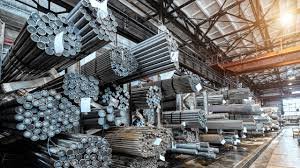

The steel wholesale market India is one of the busiest and most price-sensitive B2B markets in the country. From TMT bars used in building construction to MS angles, channels, pipes, plates, sheets and coils used in fabrication, steel moves every day through factories, stockyards, loha mandis, transport hubs and dealer networks.
For a normal buyer, steel may look like one simple product. But for a trader, contractor, builder, fabricator or purchase manager, steel is never that simple. The rate of 12mm TMT bars may be different from 8mm bars. The price of HR sheets may move differently from MS pipes. Primary steel may command a premium, while secondary steel may offer better margins for certain uses.
That is why understanding the steel wholesale market India is important for anyone buying in bulk. Whether you are sourcing for a construction project, a retail shop, a fabrication unit, a warehouse, a PEB structure or an industrial order, the right market can save you a lot of money.
This guide is written from a practical B2B point of view. We will look at major steel factory hubs, city-level loha mandis, wholesale steel markets, product categories, sourcing tips and buying precautions.
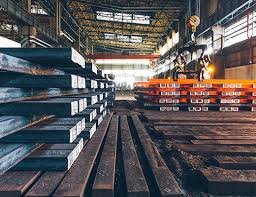
Why the steel wholesale market India matters for B2B buyers
India is among the largest steel-producing and steel-consuming countries in the world. Steel demand comes from housing, infrastructure, roads, bridges, railways, factories, warehouses, renewable energy, automobiles, machinery and general manufacturing.
This makes the steel wholesale market India a daily-moving trade network. Rates do not remain fixed for long. They can change because of raw material prices, scrap availability, coal cost, power cost, freight charges, import prices, global demand and local construction activity.
For B2B buyers, the main question is not only “what is today’s steel rate?” The better question is: “What is my landed cost after GST, loading, freight, cutting, unloading and delivery?”
A supplier may offer a lower basic rate, but if freight and handling charges are high, your final cost may be more. On the other hand, a slightly higher quote from a reliable dealer may save money through faster dispatch, clean billing and better material quality.
Main products traded in the steel wholesale market India
Before choosing a market, it is useful to know what you want to buy. Different hubs are stronger in different products.
Common products include:
TMT bars for construction, MS angles, MS channels, MS beams, MS flats, MS rounds, MS plates, HR sheets, CR sheets, GP sheets, GI pipes, MS pipes, square tubes, rectangular tubes, coils, billets, wire rods, structural steel, fabrication steel and steel scrap.
The steel wholesale market India works best when you go with exact specifications. Instead of asking only for “steel rate”, mention the product, size, grade, quantity, billing requirement and delivery location.
For example, a better query would be: “12mm TMT bar, 10 tonnes, GST bill, delivery to Noida site.” This gives the supplier enough information to quote properly.
Factory-linked steel hubs in India
1. Mandi Gobindgarh, Punjab: re-rolling and scrap-based steel hub
Mandi Gobindgarh is one of the most famous names in the steel wholesale market India. It is especially known for re-rolling mills, scrap-based steel, induction furnace units and a strong dealer network.
This market is useful for buyers looking at MS rounds, flats, squares, angles, channels, re-rolled sections, billets and scrap-linked steel products. It has a very practical trading culture where buyers compare rates quickly and negotiate on quantity.
For North India traders, contractors and fabricators, Mandi Gobindgarh can be an important sourcing destination. But rates here can move fast, especially when scrap prices change.
Best for: secondary steel, re-rolled products, bulk buying and North India supply.
Buying tip: Always compare mill rate, dealer rate and delivered rate separately.
2. Raipur and Bhilai, Chhattisgarh: TMT bars and structural steel
Raipur-Bhilai is another powerful belt in the steel wholesale market India. This region has rolling mills, sponge iron units, billet producers, secondary steel manufacturers and strong TMT bar supply.
Buyers come here for TMT bars, wire rods, MS angles, channels, beams, flats and other construction steel products. The region supplies material to Central India, East India, West India and many project locations.
For contractors and dealers, Raipur is often watched closely because TMT bar rates from this region influence several nearby markets.
Best for: TMT bars, structural steel, construction steel and regional distribution.
Buying tip: Compare rates size-wise. 8mm, 10mm, 12mm, 16mm and 20mm bars may not move equally.
3. Jamshedpur, Bokaro and Durgapur belt: primary steel and industrial supply
The eastern steel belt is one of the oldest industrial zones in India. Jamshedpur, Bokaro, Durgapur and nearby towns are strongly connected with large steel plants, engineering units and industrial buyers.
This part of the steel wholesale market India is more suitable for buyers who need industrial quality, specific grades, proper documentation and regular supply. Products include HR coils, CR coils, plates, structural steel, alloy steel, sheets and industrial steel.
The buying process may be more formal compared to a local mandi, but the quality and documentation are often better suited for engineering and institutional requirements.
Best for: industrial buyers, manufacturers, EPC contractors and engineering units.
Buying tip: For grade-specific material, check test certificates, thickness tolerance and chemical composition.
4. Bellary-Hospet, Karnataka: South India bulk steel sourcing
Bellary-Hospet is an important steel-producing belt for South India. It has raw material linkage, large plant activity and strong movement towards Karnataka, Telangana, Andhra Pradesh, Tamil Nadu and Kerala.
For bulk buyers, this region is important in the steel wholesale market India because it can offer plant-linked supply and regular truckload dispatch. Buyers source TMT bars, plates, coils, billets, structural steel and project steel from this belt.
If you are buying from Bengaluru, Chennai, Hyderabad or Kochi, always compare ex-plant rates with landed cost. Freight can make a big difference.
Best for: South India distributors, large contractors, PEB makers and infrastructure projects.
Buying tip: Do not decide only on ex-plant price. Ask for delivery cost till your site or warehouse.
5. Odisha steel belt: Rourkela, Angul and Kalinganagar
Odisha is a major production-side region in the steel wholesale market India. Rourkela, Angul, Kalinganagar and nearby areas are connected with iron ore, integrated steel plants, ferro alloys, plates, coils and long products.
This belt is useful for bulk buyers, industrial users, infrastructure vendors and large distributors. It is not always a casual walk-in market, but for serious B2B purchase, it is worth tracking.
Best for: large-volume steel buying, plates, coils, long products and industrial supply.
Buying tip: Compare authorized distributors, local stockyards and direct supply options before finalising.
Major city steel wholesale markets and loha mandis
6. Delhi NCR: Loha Mandi Naraina and nearby steel dealers
Delhi NCR is a huge consumption market, and Loha Mandi Naraina is one of the most known steel trading areas in North India. For builders, contractors, traders and small manufacturers, this is a practical place to understand local steel rates.
You can find dealers for TMT bars, MS angles, channels, plates, pipes, flats, rounds, sheets and scrap. The advantage of Delhi NCR is quick quote comparison and fast local delivery.
This part of the steel wholesale market India is especially useful for buyers who need mixed material in moderate quantity.
Best for: Delhi, Noida, Ghaziabad, Gurugram and Faridabad buyers.
Buying tip: Ask for GST-paid rate, loading cost and site delivery rate separately.
7. Mumbai, Kalamboli, Taloja and Bhiwandi: warehousing and fast movement
Mumbai’s steel trade is spread across several industrial and logistics belts. Kalamboli, Taloja, Navi Mumbai and Bhiwandi are important for stockyards, warehousing, transport and steel distribution.
This region plays a major role in the steel wholesale market India because it connects Mumbai, Thane, Navi Mumbai, Pune and other parts of Maharashtra. Buyers can source coils, sheets, plates, TMT bars, pipes, structural steel and fabrication material.
The biggest advantage here is movement. If stock is available, dispatch can be quick. But handling, loading, crane and transport charges must be checked carefully.
Best for: Mumbai region builders, stockists, EPC contractors and fabricators.
Buying tip: Compare ex-godown rate with delivered rate. The difference can be significant.
8. Ahmedabad, Odhav and Narol: Gujarat industrial steel market
Ahmedabad has a strong industrial and trading ecosystem. Odhav, Narol and nearby areas serve fabrication units, engineering workshops, machinery manufacturers, construction buyers and traders.
This section of the steel wholesale market India is good for MS sheets, plates, pipes, angles, channels, flats, rods, TMT bars and fabrication steel.
Gujarat buyers often look for practical pricing, repeat supply and supplier reliability. For B2B buying, relationship matters a lot here.
Best for: Gujarat-based fabricators, manufacturers, builders and dealers.
Buying tip: Check actual weight and thickness carefully, especially in sheets and plates.
9. Chennai: Manali, Ambattur and George Town steel supply
Chennai is an important steel buying city because of ports, automobiles, construction, industrial estates and manufacturing units. Steel trading happens through old city contacts, industrial suppliers and stockists connected to southern steel hubs.
The Chennai side of the steel wholesale market India is useful for HR sheets, CR sheets, GP sheets, plates, pipes, structural steel, TMT bars and stainless steel.
Industrial buyers should be careful about grade, finish and quality. For sheet and coil products, prime and secondary material can have very different performance.
Best for: auto ancillary units, industrial buyers, fabricators and construction suppliers.
Buying tip: Ask whether the material is prime, secondary or defective before comparing rates.
10. Bengaluru: Peenya, Kalasipalyam and project steel supply
Bengaluru has a large construction, fabrication and industrial market. Peenya is important for industrial steel and fabrication supply, while Kalasipalyam and nearby areas are known for trade and local distribution.
This part of the steel wholesale market India is useful for TMT bars, MS pipes, plates, sheets, flats, rounds, channels, angles and general fabrication material.
For Bengaluru buyers, timely delivery is often as important as rate. Project delays, traffic and unloading issues can increase costs.
Best for: builders, MSMEs, fabricators, contractors and local retailers.
Buying tip: Ask for delivery timeline in writing, especially for site-based construction orders.
11. Hyderabad: Bala Nagar, Jeedimetla and construction steel
Hyderabad has strong demand from construction, pharma, engineering, warehousing and infrastructure projects. Bala Nagar and Jeedimetla are useful areas for industrial and fabrication-related steel buying.
This section of the steel wholesale market India includes TMT bars, MS pipes, sheets, plates, angles, channels, square tubes and structural steel.
Hyderabad buyers can compare local brands, regional brands and national brands. This is important because the same product category may have different price levels depending on brand and certification.
Best for: contractors, developers, machinery units, steel dealers and fabricators.
Buying tip: Compare brand-wise rates instead of treating all TMT bars or pipes as the same.
How steel rates work in wholesale markets
The steel wholesale market India is highly rate-sensitive. Prices can change daily or even within the same day in active markets. Rates are affected by raw material prices, demand, production, imports, fuel, power, transport and credit terms.
There are usually three types of rates you should understand:
Basic rate: price before GST and extra charges.
GST-paid rate: price including tax.
Landed rate: final cost after freight, loading, unloading and delivery.
For a serious B2B buyer, landed rate is the most useful number. It tells you the real cost of material at your shop, warehouse or project site.
Primary steel vs secondary steel: which one should you buy?
Primary steel usually comes from large integrated steel producers. It is preferred for critical construction, government projects, engineering work and quality-sensitive applications.
Secondary steel is often produced through rolling mills, induction furnaces and re-rolling units. It can be more affordable and is widely used in many practical applications. But buyers must check quality, grade, weight and supplier reputation.
In the steel wholesale market India, both primary and secondary steel have demand. The right choice depends on your use case. For critical RCC work, branded TMT may be preferred. For general fabrication, secondary MS sections may be cost-effective.
B2B buying tips for the steel wholesale market India
Do not buy only on the lowest rate. In steel, the cheapest quote can become costly if weight, quality, transport or billing is unclear.
Always ask for exact specifications. Product name, size, grade, brand, quantity and delivery location should be clear.
Take multiple quotes. One supplier cannot represent the full steel wholesale market India.
Check GST billing. Proper invoices are important for business accounting and compliance.
Inspect material before dispatch. Look for rust, bending, mixed sizes, damaged edges and thickness issues.
Ask about loading and unloading. These charges can affect your final cost.
Compare payment terms. Cash price, advance payment and credit price may be different.
Keep tracking market movement. If you buy regularly, follow rates from major hubs like Raipur, Mandi Gobindgarh, Mumbai, Delhi and Chennai.
Build reliable supplier relationships. Regular buyers often get better information, faster supply and smoother credit.
Common mistakes steel buyers should avoid
Many new buyers make the mistake of comparing only per kg or per tonne rates. But in the steel wholesale market India, final cost depends on many small items.
Another mistake is not checking whether the rate is for prime or secondary material. This is very important in sheets, plates and coils.
Some buyers also ignore transport. A lower rate from a faraway hub may not be cheaper after freight.
Another common mistake is placing orders without confirming stock. Steel markets move fast, and verbal quotes can become outdated quickly.
Finally, do not ignore documentation. Test certificates, GST bills and weighbridge slips can protect you in case of disputes.
FAQs on steel wholesale market India
Which is the best steel wholesale market in India?
There is no single best market for every buyer. Mandi Gobindgarh is strong for re-rolled and scrap-linked steel. Raipur-Bhilai is known for TMT and structural steel. Delhi, Mumbai, Ahmedabad, Chennai, Bengaluru and Hyderabad are important city-level wholesale markets.
Where can I buy TMT bars in bulk?
Raipur-Bhilai, Delhi NCR, Mumbai region, Hyderabad, Bengaluru and many regional distributors are good for bulk TMT bar buying. Always compare brand, grade, size-wise rate and delivery cost.
What should I check before buying steel wholesale?
Check product size, grade, weight, brand, GST invoice, test certificate, loading charges, freight, delivery time and supplier reputation.
Is secondary steel good for B2B buying?
Secondary steel can be useful for many applications, especially where cost matters. But for critical structural or government project work, buyers should follow project specifications and quality requirements carefully.
Why do steel rates change so often?
Steel rates change because of raw material cost, scrap price, demand, production, fuel, power, imports, exports and transport charges.
Final thoughts
The steel wholesale market India is not one single bazaar. It is a large network of factory hubs, loha mandis, rolling mills, stockyards, traders, transporters and distributors.
If you want re-rolled steel, watch Mandi Gobindgarh. If you want TMT bars and construction steel, track Raipur-Bhilai. If you need primary and industrial steel, look at the eastern steel belt, Odisha and large plant-linked supply chains. For quick city delivery, Delhi, Mumbai, Ahmedabad, Chennai, Bengaluru and Hyderabad are strong options.
For B2B buyers, the best strategy is simple: know your product, compare landed rates, check quality, confirm billing and work with reliable suppliers.
Once you understand how the steel wholesale market India works, you can buy smarter, negotiate better and improve your margins.
See Also
Iron & Steel Industry in India
Electronics Appliance Wholesale: A Step-by-Step Sourcing Guide for Indian Retailers