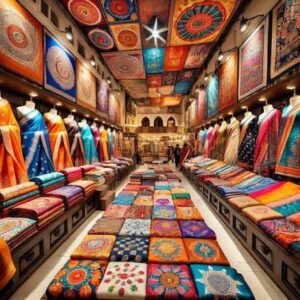


Hey there, fellow retailers and bulk buyers! If you are reading this, chances are you are either running a clothing store, managing an online boutique, or planning to launch your own fashion brand in India. Welcome to the club! I have been in the Indian retail and wholesale game for well over a decade now. I’ve made the long train journeys, dealt with tricky agents, gotten burnt by bad fabric quality, and ultimately unlocked the secrets to sourcing high-margin inventory.
Let’s be honest: navigating the apparel wholesale landscape in India is nothing short of a thrilling roller coaster. India is one of the world’s largest textile hubs, which means the opportunities are endless—but so are the traps. If you don’t know what you are doing, you can easily end up with a dead stock of mismatched sizes, bleeding colors, and shrinking fabrics.
That is why I am writing this today. Think of me as your experienced business brother. In this ultimate guide, I am going to take you step-by-step through my personal, time-tested blueprint for mastering apparel wholesale sourcing across India. Grab a cup of chai, get a notepad ready, and let’s dive into the inner workings of the Indian garment markets.
Step 1: Defining Your Retail Niche Before Entering the Apparel Wholesale Market
Before you even book a ticket to Delhi, Surat, or Mumbai, you need to know exactly what you are looking for. The biggest mistake a beginner makes is walking into a massive apparel wholesale hub with a generic mindset like, “I want to buy clothes.” Trust me, the sheer scale of these markets will swallow you alive if you don’t have a laser-focused plan.
Pinpointing Your Target Audience and Price Points
Are you selling premium ethnic wear to boutique owners, or are you looking for budget-friendly daily wear for a college-going crowd? The requirements for a high-end boutique are entirely different from a high-volume retail store. When researching the apparel wholesale ecosystem, classify your needs by age group, gender, and occasion. Knowing your target price point helps you calculate your margins backwards, ensuring you don’t overpay at the wholesale stage.
Understanding the Difference Between Ready-Made Garments and Fabric Sourcing
You must decide whether your business model relies on buying ready-made bulk garments or sourcing raw fabrics to manufacture your own designs. If you want a quick turnaround time with minimal manufacturing headaches, buying ready-made items from an apparel wholesale supplier is your best bet. On the other hand, if you want unique designs and absolute control over quality, you should focus on direct fabric sourcing from specialized mills.
Step 2: Mapping India’s Top Clothing Manufacturers and Wholesale Hubs
India doesn’t have just one single garment market; it has specialized regional hubs. Depending on what you want to sell, your geographical destination will change. Let’s look at the map through the lens of a seasoned apparel wholesale buyer.
+-------------------------------------------------------------+
|               MAJOR INDIAN WHOLESALE HUBS                   |
+--------------------------+----------------------------------+
| Destination              | Specialization                   |
+--------------------------+----------------------------------+
| Surat & Ahmedabad        | Synthetic Fabrics, Sarees, Denim |
+--------------------------+----------------------------------+
| Delhi NCR                | Ladies' Kurtis, Western, Kids    |
+--------------------------+----------------------------------+
| Mumbai                   | High-Fashion, Western, Denim     |
+--------------------------+----------------------------------+
| Tiruppur & Ludhiana      | Knitwear, T-shirts, Winterwear   |
+--------------------------+----------------------------------+
| Kolkata                  | Kidswear, Cotton Ethnic Items    |
+--------------------------+----------------------------------+
Sourcing Textiles from the Surat Textile Market and Ahmedabad
If your retail shop focuses on ethnic wear, synthetic fabrics, lehengas, or sarees, Surat is your mecca. The Surat textile market operates at an unbelievable scale. For unstitched materials and denim fabrics, Ahmedabad is an absolute powerhouse. When you buy from these cities, you are tapping into the core of India’s synthetic textile production, making it a goldmine for apparel wholesale seekers.
Navigating Delhi NCR for Trendy Bulk Garments and Ready-Made Clothes
Delhi is the undisputed king for variety. From the chaotic lanes of Gandhi Nagar (Asia’s largest garment market) to the trendier collections in Tank Road and Chandni Chowk, Delhi offers everything. If your store targets fast-fashion western wear, ladies’ kurtis, or kids’ apparel, a trip to a Delhi apparel wholesale distributor will set your inventory up for the entire season.
Exploring Mumbai and Tiruppur for Premium Western Wear and Knitwear
Looking for high-quality t-shirts, sweatshirts, or sportswear? Bypass everyone else and head straight to Tiruppur in Tamil Nadu. It is the knitwear capital of India, supplying to top global brands. For high-street western wear, corporate clothing, and premium denim, Mumbai’s markets like Crawford Market and National Market offer exceptional apparel wholesale options that appeal to urban consumers.
Step 3: Mastering the Art of On-the-Ground Fabric Sourcing and Quality Checks
Once you land in these markets, the real work begins. You cannot buy clothing online or over the phone if you want the best quality. You need to touch, feel, and inspect the products yourself. As an experienced retailer, here is my personal quality checklist when navigating an apparel wholesale market.
The Touch-and-Feel Test for Fabric GSM and Blend
Do not just look at the colors and prints. Touch the fabric to understand its GSM (Grams per Square Meter), which determines the thickness and density of the material. Whether you are dealing with an apparel wholesale manufacturer or a fabric agent, ask explicitly about the fiber composition. Is it 100% pure cotton, a poly-cotton blend, or rayon? Knowing this ensures your customers won’t complain about the fabric after a single wash.
Inspecting Stitching, Seams, and Size Grading in Bulk Garments
When evaluating samples from an apparel wholesale vendor, turn the garment inside out. Check the interlocking, the strength of the seams, and the quality of the zippers and buttons. Cheaply made clothes will have loose threads and uneven stitching. Furthermore, check their size charts. Indian retail buyers hate faulty sizing, so ensure your wholesale supplier follows standardized Indian or international size charts.
Step 4: Finding Reliable Garment Suppliers vs. Avoiding Middlemen Traps
Here is a reality check: every second person you meet in a wholesale market will claim to be a direct factory owner. Nine times out of ten, they are brokers or brokers-of-brokers. To protect your profit margins, you must learn to identify true apparel wholesale operators.
How to Spot a Genuine Factory Owner from an Agent
True factory owners or direct mill distributors usually have massive, organized warehouses and operate on strict Minimum Order Quantities (MOQs). They won’t mind showing you their production facilities or detailed catalogs. Brokers, on the other hand, will often hesitate, try to steer you toward specific shops, and quote inflated prices because their commission is built right into the cost. To succeed in apparel wholesale, your goal should always be to get as close to the manufacturing source as possible.
Building Relationships with Trusted Apparel Wholesale Distributors
If your business is relatively small, you might not meet the high MOQs of direct factories. In this case, finding an honest, well-connected apparel wholesale distributor is a great alternative. A good distributor aggregates stock from multiple factories, giving you a wider variety of designs without forcing you to buy thousands of pieces per design. Treat these distributors as your long-term growth partners.
Step 5: The Negotiation Playbook – Getting the Best Prices and MOQs
Negotiation in the Indian B2B market is not a battle; it is a delicate dance. You want the lowest price, but the seller wants to protect their margins. If you push too hard on price, they might compromise on fabric quality or substitute your ordered pieces with inferior stock during packing.
Leveraging Volume to Negotiate Low Apparel Wholesale Rates
The golden rule of wholesale is simple: the larger the order volume, the lower the per-piece price. When discussing prices with an apparel wholesale dealer, never reveal your actual budget upfront. Ask for their tiered pricing structure (e.g., price for 100 pieces, 500 pieces, and 1,000 pieces). This gives you a clear picture of their margins and allows you to negotiate effectively based on your realistic purchasing capacity.
Setting Clear Terms for Minimum Order Quantities (MOQs) and Assortments
In the apparel wholesale trade, an “assortment” usually means a pre-packed bundle containing a single design across a range of different sizes or colors. Make sure you understand the seller’s terms clearly. Can you pick specific sizes that sell fast in your local shop, or do you have to buy the entire standard set? Clear communication here prevents you from getting stuck with dead stock in extreme sizes like XS or 3XL.
Step 6: Ensuring Logistics, Transport, and Safe Delivery to Your Shop
You’ve made the selection, negotiated the price, and cracked the deal. Now comes the most stressful part for beginners: getting those heavy bundles of clothes safely to your retail store.
The Importance of On-the-Spot Packing Inspections
Never leave the market before your goods are packed right in front of your eyes, or verified by a highly trusted local agent. In the chaotic world of apparel wholesale, it is not uncommon for a vendor to accidentally (or intentionally) mix in defective items or older designs into your final transport bales. Watch the packing process, ensure the goods are wrapped in waterproof plastic layers, and stitched securely in gunny bags.
Selecting the Right B2B Transport and Logistics Agencies
Every major apparel wholesale hub in India has a dedicated logistics lane filled with transport agencies (like V-Trans, TCI, or local regional transport syndicates). Choose a transporter that has a direct route to your home city to minimize transit delays and mid-route handling. Always get a formal Lr Copy (Transport Receipt) and ask about transit insurance to safeguard your investment against theft, fire, or water damage during transit.
Step 7: Managing Payment Terms, Credit, and Avoiding B2B Fraud
Let’s talk about money. Financial discipline is what separates a successful retailer from one that goes bankrupt within a year. When entering the apparel wholesale arena, you must protect your cash flow fiercely.
Why You Should Stick to Cash/Advance Terms Initially
When you are a new face in the market, expect every apparel wholesale vendor to demand 100% advance payment before dispatching goods. This is completely standard. Do not ask for credit on your very first trip; it flags you as an inexperienced or potentially risky buyer. Build trust first by making timely digital or cash payments for your initial few orders.
Transitioning to a Credit Cycle as Your Retail Business Grows
Once you have consistently sourced from the same apparel wholesale supplier for six months to a year, you can naturally negotiate credit terms (like a 15-day or 30-day payment cycle). This credit cushion is incredibly valuable, as it allows you to sell the garments in your retail shop before actually paying the manufacturer, giving your business incredible liquidity.
Step 8: Staying Ahead of Trends and Seasonality in the Fashion Industry
The clothing industry moves incredibly fast. What is trending on Instagram today will be old news next month. To maintain a highly profitable clothing business, your apparel wholesale sourcing strategy must adapt to seasonal shifts and changing consumer preferences.
Timing Your Sourcing Trips Right for Indian Festivals
India’s retail market thrives on festivals and weddings. If you want to stock up for the lucrative Diwali, Eid, or Durga Puja shopping rush, your apparel wholesale sourcing trips should happen at least two to three months in advance. If you go to the market right before the festival, you will find picked-over, low-quality leftovers and highly inflated prices.
Building a Continuous Supply Chain with Online and WhatsApp Ordering
You cannot travel to manufacturing hubs every single week; it is physically exhausting and expensive. Once you establish a strong rapport with a few trusted apparel wholesale manufacturers, transition your re-ordering process to digital channels. Most modern wholesalers update their latest catalogs daily via WhatsApp broadcasts or private web portals, allowing you to restock your shop’s best-sellers with a single click.
Conclusion: Ready to Launch Your Sourcing Adventure?
There you have it—my complete, step-by-step master plan for sourcing top-tier garments and fabrics across India. Sourcing from the apparel wholesale markets is a learning process. Your first trip might feel overwhelming, and you might make a few minor mistakes, but that is all part of the retail journey.
The secret lies in starting small, doing your homework, verifying quality with your own hands, and building honest, long-term relationships with your suppliers. Once you secure a reliable, high-quality, and cost-effective apparel wholesale pipeline, your retail shop’s profits will skyrocket automatically.
So, what are you waiting for? Define your niche, pick your destination city, pack your bags, and go conquer the markets. Your customers are waiting for those amazing products!
If you found this guide helpful, don’t forget to bookmark wholesale-rates.com for your regular dose of insider market reports, direct vendor insights, and real-time wholesale updates from all across India. Happy sourcing, business owners! Feel free to drop your questions in the comments below, and I’ll be happy to help you out based on my experience!